Electric vs Diesel Forklift: Which Fits Your Site?
News
Quick Answer
Electric vs diesel forklift selection depends on ventilation, surface, working hours, energy infrastructure, maintenance and the approved load rating for the actual job.
Begin with the Environment
Electric trucks have no local diesel exhaust during operation and may fit indoor warehouses with appropriate floors. Diesel trucks are often considered for suitable outdoor or well-ventilated industrial work. Neither label guarantees an application fit. Check local emissions rules, weather exposure, grades and tire suitability.
Both power types can be offered at a nominal 2 ton capacity, but their mast, load-center rating and dimensions may differ.
Compare Energy and Shift Pattern
Electric selection requires battery chemistry, charger, supply and charge windows. Diesel selection needs fuel logistics, engine service and ventilation planning. Estimate real operating hours, lift cycles and travel distance instead of accepting an unspecified “all-day” claim.
| Criterion | Electric focus | Diesel focus |
|---|---|---|
| Indoor air | No local diesel exhaust | Ventilation/emissions review |
| Energy | Charger and battery plan | Fuel supply |
| Surface | Confirm model and tires | Confirm model and tires |
| Service | Battery/electrical support | Engine/filter support |
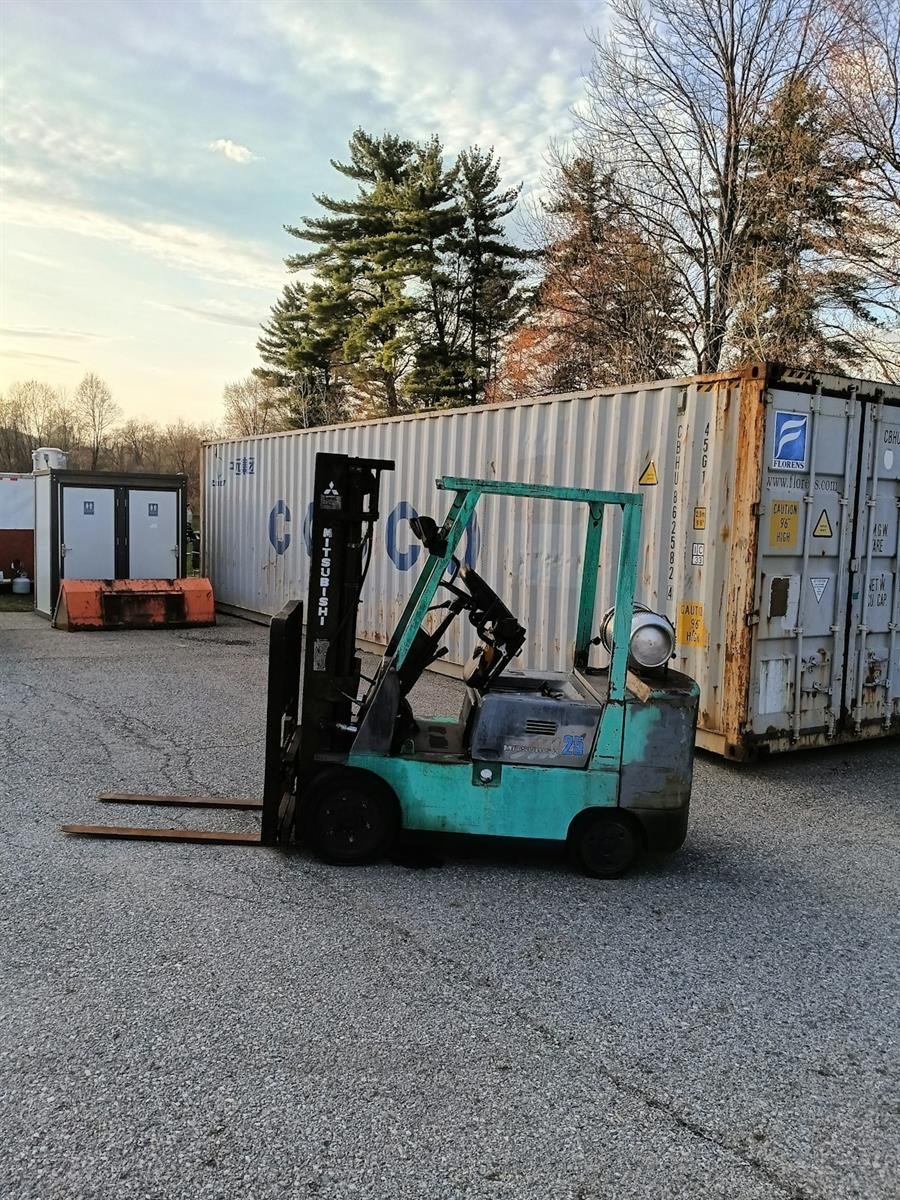
Qisheng's 2 ton electric forklift and 2 ton diesel forklift provide two products to compare, but request current configuration sheets before treating them as directly equivalent.
Decide on Whole-Site Cost
Compare acquisition, infrastructure, energy, maintenance, downtime and replacement costs over the same expected hours. An electric option may require electrical work; a diesel option may impose site ventilation or fuel constraints. Include local parts availability in both cases.
Choose only after confirming the required load at height, aisle fit and surface. Power source is one decision dimension, not a shortcut around capacity or safety analysis.
Build Two Complete Site Scenarios
For an indoor warehouse, document ventilation, noise restrictions, shift length, charging space and the electrical supply. For an outdoor yard, document surface, weather exposure, refueling access and service support. If the same truck crosses both environments, describe the percentage of time and the limiting condition rather than choosing from a generic “indoor versus outdoor” rule.
Compare exact candidate configurations at the same load center and lift height. An electric and a diesel truck with the same advertised tonnage may differ in mast, tires, dimensions and duty assumptions. Ask for approved capacity, energy or fuel requirements, maintenance scope and parts availability for each. Electric has no local exhaust at the truck, but charging infrastructure and the site's electricity mix still matter to a broader environmental assessment.
Calculate acquisition, infrastructure, energy or fuel, maintenance and downtime across the same working period. The answer can change with local prices and utilization, so avoid publishing a universal cost winner. The goal is a truck that completes the site's work safely and can be supported at the destination, not a power-type preference in isolation.
Document the Assumptions Behind the Winner
Write down the expected hours per year, energy and fuel prices, planned service, charging installation, ventilation constraints and replacement period. Then note which changes would reverse the result: an extra shift, higher electricity demand charges, a new indoor route or a different yard surface. This sensitivity check prevents a one-time estimate from becoming a universal claim. If both models fit the load, the site's operating conditions and support network should decide; if one fails a safety or capacity requirement, a lower calculated cost cannot make it a valid option.
Frequently Asked Questions
Is electric always cheaper to operate?
Not universally. Energy prices, duty, battery costs and maintenance change the result.
Is diesel always better outdoors?
No. The exact truck rating, surface and local rules determine suitability.
Discuss Your Forklift Requirements
Send your load weight, lift height, aisle width, duty hours and destination to Qisheng. Request a configuration and quote.