Forklift Attachments and Capacity Changes
News
Quick Answer
Forklift attachments can change handling tasks and usable capacity; specify the attachment with the truck and obtain an approved data plate for the combined configuration.
Define the Load Problem First
A side shifter can help align forks, while clamps, rotators and other devices address specialized loads. Each adds weight and may move the load center forward. An attachment that improves handling speed can reduce the truck's rated load at a given height.
Describe the item being handled, its mass and center of gravity, packaging and required motion. A generic attachment picture is not enough to establish compatibility.
Review Truck and Attachment Together
Ask for the attachment's mounting, hydraulic and electrical requirements, weight, dimensions and approved capacity. Then obtain the truck manufacturer's capacity information with that exact attachment and mast. Check whether its thickness changes the aisle or fork-reach requirement.
| Attachment question | Why it matters |
|---|---|
| Weight and offset | Affects residual capacity |
| Mounting class | Determines physical fit |
| Hydraulic flow | Determines function and control |
| Load geometry | Determines safe gripping or support |
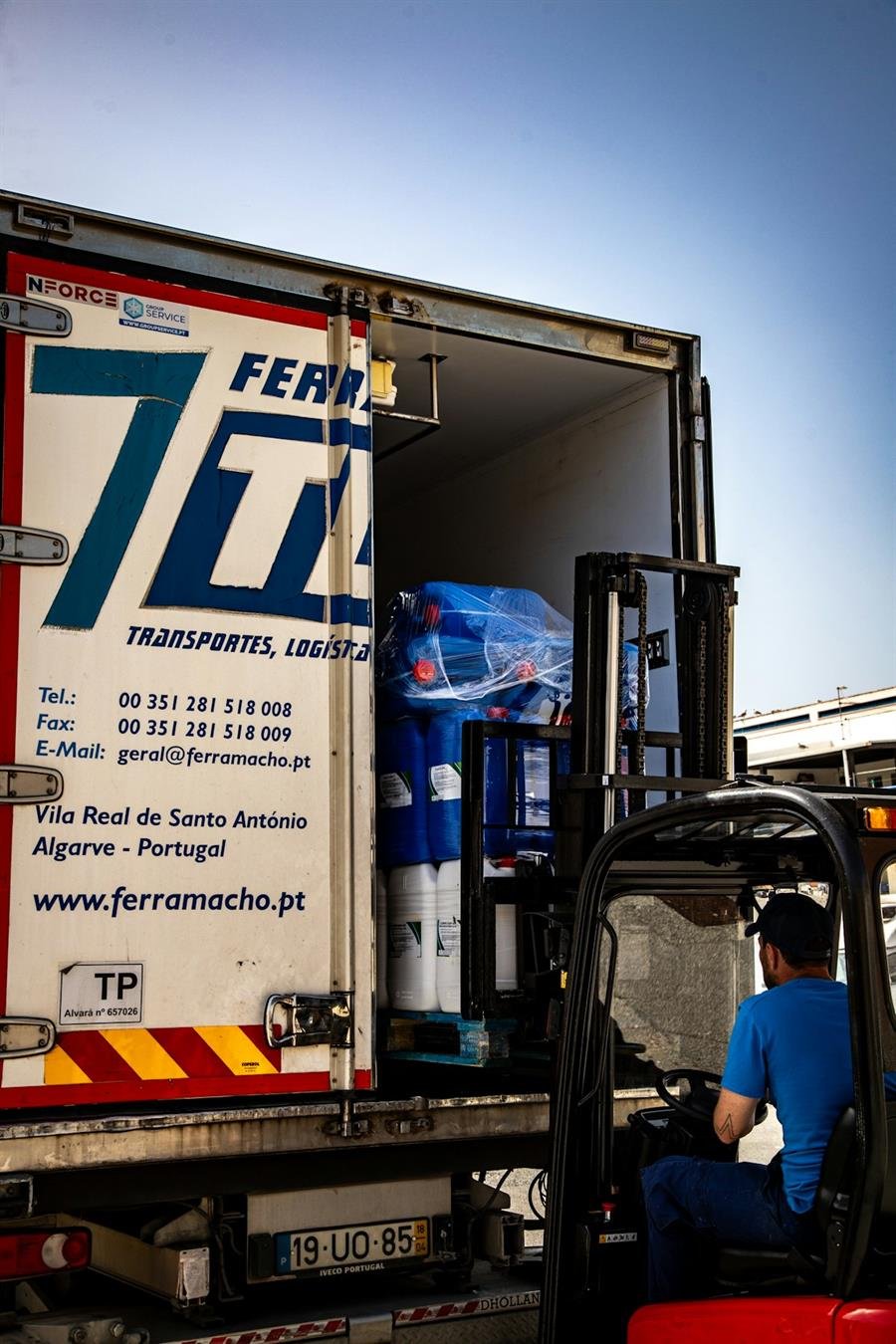
The 3 ton diesel forklift is a base-truck reference, not a guarantee that any photographed attachment is approved for it.
Include Training and Inspection
Operators need instruction for the added controls, visibility changes and approved load limits. Add the attachment to pre-use and periodic inspection records. If the attachment is removed, verify that the remaining truck configuration and plate are correct.
Do not buy a base truck exactly at the load's mass and add a heavy clamp later. Include the entire planned handling system in the original inquiry. A written application review is especially important for non-palletized or fragile goods.
Specify the Load Before Selecting a Clamp
Begin with the problem the standard forks cannot solve. Is the load a paper roll, drum, bale, long crate or fragile pallet? Record its weight, dimensions, surface and how it must be picked and released. Attachment names alone do not tell the supplier whether the product can be handled without damage or whether the truck can remain stable.
The attachment adds mass and may move the load center forward. Ask the truck and attachment suppliers for a compatible mounting arrangement and approved residual capacity for the combination at the intended height. Do not assume the truck's original nameplate rating remains valid. Include hydraulic functions, hoses, visibility and storage of the attachment in the quotation.
Plan the operational change as well. Operators need training for the new handling method, inspectors need criteria for the attachment and maintenance staff need parts information. A change that speeds handling but damages goods or leaves the truck without a valid capacity rating is not an improvement. Test the actual load under controlled conditions before standardizing the process.
Compare Handling Damage as Well as Speed
An attachment can reduce repeated manual repositioning but may damage the product if its contact pressure or geometry is wrong. Ask for a test with the real load or a representative sample and record damage, cycle time and residual truck capacity. Include any extra inspection, training and maintenance burden in the comparison. A faster handling method only creates value if it preserves the goods and stays within the approved equipment rating. If the load changes in size or packaging later, repeat the compatibility review rather than assuming the original setup still applies.
Frequently Asked Questions
Does a side shifter reduce capacity?
It can; check approved data for the exact truck and attachment.
Can an attachment be transferred between forklifts?
Only after confirming physical, hydraulic and capacity approval for the second machine.
Discuss Your Forklift Requirements
Send your load weight, lift height, aisle width, duty hours and destination to Qisheng. Request a configuration and quote.