Forklift Forks: Length and Compatibility
News
Quick Answer
Forklift forks must match the load, carriage and truck rating; longer forks or a different mounting class do not automatically increase safe capacity.
Match Forks to the Pallet
Ask for pallet pocket dimensions, load depth and weight. Forks should enter the load interface properly and support it as the manufacturer's instructions require. Very short forks may leave poor support; unnecessarily long forks can interfere with nearby racks or pedestrians.
Fork spacing must suit the load and the carriage arrangement. Irregular machinery may need an engineered attachment rather than a routine fork swap.
Verify Compatibility
Forks have mounting and rating details that must match the truck and carriage. Consider the capacity of the complete assembly, not just an individual fork stamp. An attachment can move the load center forward and alter the truck's approved capacity.
| Specification | Why it matters |
|---|---|
| Length | Load support and route clearance |
| Mounting class | Secure carriage fit |
| Fork rating | Component capacity |
| Condition | Crack, bend or wear risk |
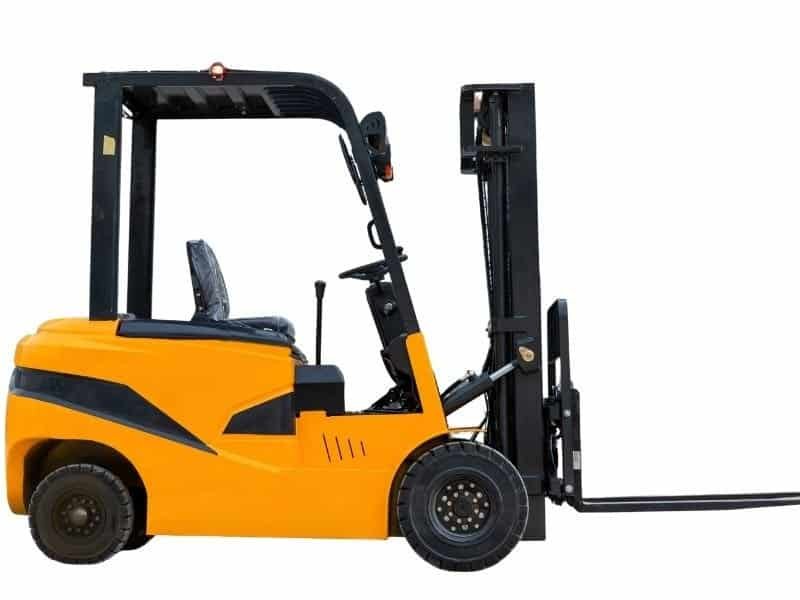
The 2 ton diesel forklift can be discussed with different approved fork choices, but confirm exact availability and data-plate implications with the supplier.
Inspect and Document Changes
Operators should look for visible damage, locking problems and abnormal wear during the pre-use check. Qualified personnel should assess defects according to the maker's criteria. Do not weld, heat or modify a fork without approved engineering guidance.
When replacement forks are fitted, record their specification and verify that the truck's plate and manual remain valid. A fork change may solve pallet fit but not compensate for inadequate truck capacity at height. Keep spare fork identification tied to the fleet's model and carriage records.
Specify the Fork-Load Interface
Measure the pallet entry, load depth and any obstruction beneath the product. Forks must fit the pallet and support the load according to the manufacturer's guidance; length alone is not enough. An unusually long load may put its center of gravity farther forward and change the truck's approved capacity even if the forks physically reach it.
Confirm the fork mounting class, section, rating and spacing range against the actual carriage. A fork that appears to hang on another truck may not be an approved match. Ask for the pair rating and identification, and make sure both forks are the correct matched set. If a specialist attachment is required, include it in the truck's capacity approval rather than treating it as a later add-on.
Inspect forks for visible damage, deformation and wear under the workplace and manufacturer procedure. A damaged fork is not a reason to move the load onto one good fork or use an improvised repair. Keep the replacement part number and supplier route in the maintenance record so the fleet can return to service with the correct component.
Frequently Asked Questions
Are longer forks always better?
No. They can add interference and do not increase the truck's approved rating.
Can forks from another brand fit?
Only after confirming mounting, rating and manufacturer approval for the complete truck configuration.
Discuss Your Forklift Requirements
Send your load weight, lift height, aisle width, duty hours and destination to Qisheng. Request a configuration and quote.