Forklift Maintenance Checklist by Interval
News
Quick Answer
Forklift maintenance combines pre-use checks with scheduled service based on the model, operating hours and conditions; the manual is the authoritative interval source.
Separate Inspection from Service
An operator's pre-use inspection looks for defects that make today's operation unsafe. Planned maintenance involves qualified personnel examining and servicing components on the manufacturer's schedule. Both are necessary. A daily form should not be used to claim that brakes, mast chains or hydraulic systems have received periodic service.
Keep a record of operating hours and conditions. Dusty yards, intensive lifting or wet floors may change service needs; obtain guidance for the exact machine rather than copying another fleet's interval.
Organize the Work by System
Use the serial-number-specific manual to schedule fluid and filter work, hydraulic and mast checks, brake and tire assessment, and power-system maintenance. Electric equipment adds battery and charger requirements; engine equipment has fuel and exhaust components. Repairs that affect safety should be completed by qualified personnel before the truck returns to service.
| Record | Purpose |
|---|---|
| Pre-use defect note | Identify immediate unsafe condition |
| Hour-meter log | Trigger scheduled service |
| Work order | Record parts and completed repair |
| Repeat-fault review | Find underlying problems |
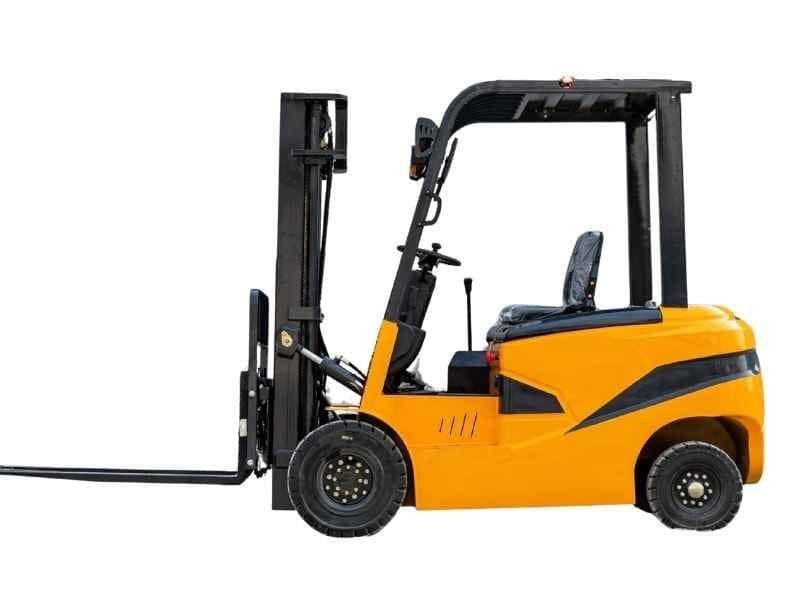
The 2 ton diesel forklift is a product example; request its actual maintenance manual with the purchase.
Make the Checklist Useful
Assign who checks, who decides a truck is out of service and who signs off its return. Keep replacement filters, tires and commonly needed parts identified by model and serial number. Analyze downtime, not just maintenance spend: postponing a small repair can disrupt loading schedules later.
For U.S. sites, OSHA 29 CFR 1910.178 includes inspection and removal-from-service provisions. Do not reuse a checklist unchanged when an attachment, mast or battery type changes.
Connect Service Intervals to Evidence
Use the manufacturer's manual for the truck's service schedule, then adjust planning to the work environment without inventing a universal interval. A dusty yard, wet dock or intensive multi-shift operation can expose different failure patterns from a clean indoor route. Record meter readings, dates, parts used and findings by serial number so a technician can see a trend.
Distinguish a daily operator check from scheduled technician work. The operator reports damage and abnormal behavior; qualified personnel diagnose and repair the machine. A maintenance file should show when a defect was found, whether the truck was removed from service and when it was returned after repair. This closes the loop that a simple tick-box list leaves open.
For an importing business, ask the seller which routine filters, seals, tires and battery components are available in the destination market. Request the parts manual matched to the actual configuration. Good maintenance planning begins at purchase: a machine with no practical parts route can cost more in downtime than its lower initial price saved.
Frequently Asked Questions
Is there one maintenance interval for all forklifts?
No. Use the manufacturer schedule and consider duty, environment and local requirements.
Can an operator repair a defect found before use?
Only if qualified and authorized under the site's procedure; safety-critical work needs appropriate personnel.
Discuss Your Forklift Requirements
Send your load weight, lift height, aisle width, duty hours and destination to Qisheng. Request a configuration and quote.