Forklift Pre-Operation Inspection Checklist
News
Quick Answer
A forklift inspection checklist should cover the truck's visible condition and functional controls before use; defects require reporting and an unsafe truck must not be operated.
Inspect What Could Fail During the Shift
Start with the manufacturer's pre-use instructions for the assigned truck. Look for damaged forks, visible hydraulic leaks, tire problems, loose components, unreadable warnings and an illegible data plate. Electric trucks need battery and connector checks; engine trucks need the applicable fuel and fluid checks. These are examples, not a replacement for the model's checklist.
An inspection should have a named operator, date and a clear route for reporting defects. A box marked “checked” has little value if the operator cannot identify what would make the machine unsafe.
Test Functions in the Approved Area
The functional check may include horn, lights, brakes, steering and lift/tilt controls according to the manual and site procedure. Perform it where other workers are protected. The operator should not continue using a truck with a critical defect simply because today's order volume is high.
| Check group | Example observation |
|---|---|
| Load handling | Fork wear, distortion or insecure mounting |
| Travel | Tire damage, brake or steering concern |
| Hydraulics | Leak or abnormal movement |
| Safety information | Data plate and warnings legible |
OSHA's pre-operation inspection guidance is a useful U.S. reference. Site programs may require additional checks for attachments, outdoor conditions or specialized trucks.
Close the Defect Loop
When a defect is found, record the symptom and isolate the truck according to the employer's procedure. A qualified person should assess and repair it. After repair, verify the appropriate function before the truck returns to service. This closed loop matters more than collecting a stack of forms.
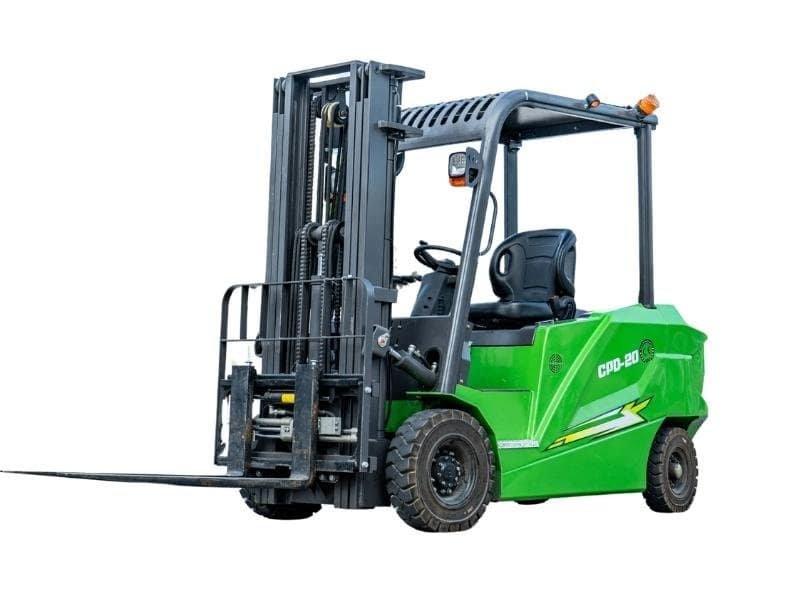
For a 2 ton electric forklift, include its actual battery and charger arrangement. For another truck, use the matching manual. Keep a copy of the check record with maintenance information so repeated failures become visible to fleet managers.
Make the Check Specific to the Truck
A useful inspection form names the actual truck type and its critical systems. An electric unit calls for battery, connector and charger observations; an engine-powered unit has fuel, fluid and exhaust concerns. Both require attention to forks, mast, tires, brakes, steering, warning devices and the legibility of the capacity information. The operator manual and workplace procedure should determine the exact checks.
The form should also make defects actionable. Record the truck identification, date, shift, observation and who was notified. If a safety-related item fails, remove the truck from service under the site's procedure until it is assessed by qualified personnel. A box marked “checked” without a finding or follow-up cannot show that a problem was resolved.
For a multi-truck fleet, review repeated faults by serial number. Recurrent tire damage near one dock or repeated fork defects may indicate a route or handling problem, not merely poor maintenance. OSHA's U.S. standard requires examination before service and appropriate action on unsafe conditions; use the applicable local rule at the destination.
Frequently Asked Questions
Is a weekly check enough for a daily-use forklift?
No universal weekly interval replaces required pre-use checks. Follow applicable rules and the manufacturer's schedule.
Who fixes a failed item?
A qualified repair person under the site's maintenance program, not an operator improvising during the shift.
Discuss Your Forklift Requirements
Send your load weight, lift height, aisle width, duty hours and destination to Qisheng. Request a configuration and quote.