Forklift Spare Parts Planning for Fleets
News
Quick Answer
Forklift spare parts planning should begin with exact model and serial numbers, expected wear items, local lead times and the cost of a truck being unavailable.
Identify Parts by Configuration
Two trucks with the same marketing name may use different engines, masts, batteries or brakes. Keep a record of serial number, option codes and installed attachments. Request the correct parts book and maintenance manual at purchase. Photographs and measurements can help verify a replacement, but do not substitute for proper part identification.
If a fleet mixes models, avoid assuming filters or forks interchange. Incorrect parts can create safety and warranty issues.
Prioritize by Downtime Risk
Stocking every component is expensive. Start with routine service items and failures that would halt essential work. Review supplier lead times and local availability. A single critical truck may justify different stock levels from a fleet with a backup unit.
| Item group | Planning question |
|---|---|
| Routine service | How often is it used? |
| Tires and forks | What inspection limit triggers replacement? |
| Battery or engine parts | How long is local supply? |
| Attachment parts | Are they model-specific? |
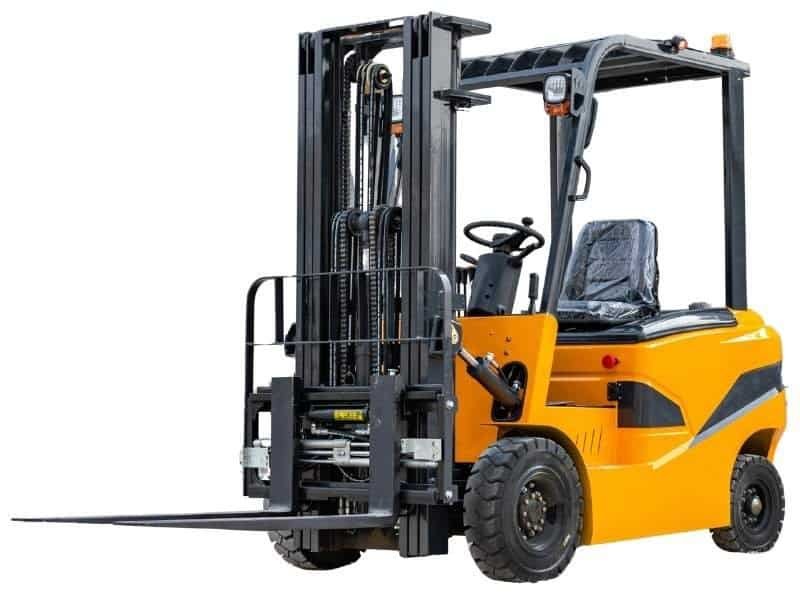
The 2 ton diesel forklift is a product example; ask for its actual serial-number-specific parts pathway before ordering spares.
Keep Inventory Useful
Store components in conditions recommended by the manufacturer and record stock movements. Review unused stock annually as fleet models change. A kit tied to one outdated configuration can become dead inventory even while a current truck waits for another part.
Track both parts spend and downtime. If repeated failure consumes the same item, investigate root cause rather than merely increasing the reorder quantity. The best spare-parts plan supports scheduled maintenance without concealing an underlying equipment problem.
Stock for the Failure That Stops Work
Start with a list of machines by serial number, engine or battery type, mast and key options. A fleet of visually similar trucks may use different filters, seals or control parts. The correct spare must be identified from the applicable parts catalogue and production revision, not only the marketing model name.
Rank parts by three questions: how often they are needed, how long replacement takes to obtain and whether the truck can safely operate without them. This can justify holding a modest quantity of routine service items or a critical component with a long import lead time. It does not justify buying a large collection of expensive parts that may never fit the fleet.
Review the stock every few months. Record consumption, shelf-life limits, supplier lead time and which truck each part serves. If a failure repeats at one location, examine the underlying route or maintenance practice. A parts plan should reduce downtime while revealing the causes of recurring repairs, not become an untracked warehouse of boxes.
Frequently Asked Questions
Should I buy a full repair kit with every truck?
Only if expected usage, lead time and service capability justify it.
Can I order parts by model name alone?
Often not reliably. Supply serial number and configuration details.
Discuss Your Forklift Requirements
Send your load weight, lift height, aisle width, duty hours and destination to Qisheng. Request a configuration and quote.