Forklift Tire Types: Cushion vs Pneumatic
News
Quick Answer
Forklift tire types commonly include cushion and pneumatic-style options; choose based on the truck design and actual floor, yard or dock conditions.
Understand the Basic Difference
Cushion tires are often associated with smooth indoor floors and compact truck designs. Pneumatic-style tires are common on some outdoor industrial trucks, but actual construction and tread vary. A tire's appearance alone does not certify a truck for rough terrain, steep grades or wet surfaces.
Confirm the manufacturer's approved tire size and type for the machine. Changing tire dimensions can affect ride height, handling and ratings.
Match Tire to Route
Survey floor joints, debris, wet zones, loading-dock transitions and outdoor ground. A warehouse with polished concrete has different needs from a paved yard with expansion joints. Operator comfort matters, but so do braking and stability. Ask for site-specific advice when the route includes multiple surfaces.
| Surface | Tire question |
|---|---|
| Smooth indoor floor | Is cushion tire suitable? |
| Paved outdoor area | Which approved tread and compound? |
| Loose or uneven ground | Is a different truck class required? |
| Frequent debris | What damage resistance is needed? |
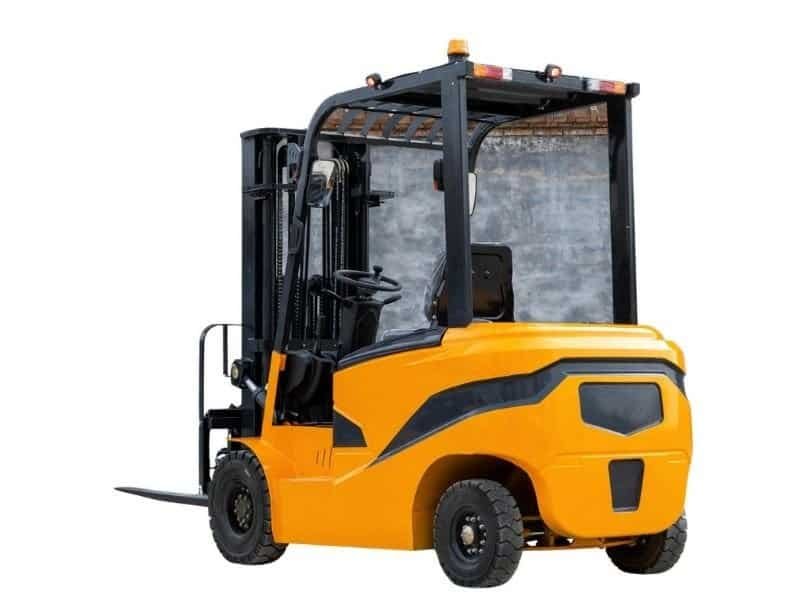
The 2 ton diesel forklift is a truck reference; confirm its delivered tire option rather than inferring it from the photo.
Inspect and Replace Correctly
Operators should note damage, excessive wear and unusual behavior during the pre-use check. Maintenance personnel should follow the truck and tire manufacturers' limits. Mixing incompatible tires or fitting an unapproved size can change handling. Keep tire specifications on the fleet record so replacement orders are accurate.
For an import purchase, ask about locally available tire sizes and service equipment. A theoretically ideal tire is less useful if replacing it causes weeks of downtime. Include floor upkeep in the plan; tire choice cannot compensate for a hazardous route.
Survey Every Surface the Tires Will Cross
Trace the normal route through smooth warehouse floor, dock plate, paved yard and any broken or wet ground. A tire that performs well in one area can be unsuitable in another. Ask the truck maker which tire construction and size are approved for the chassis and whether the proposed combination suits the route, load and speed.
Do not assume that the word “pneumatic” means every tire is air-filled; solid pneumatic-style options exist. Likewise, fitting a more aggressive tire does not transform a standard warehouse truck into a rough-terrain machine. Ground clearance, chassis design and the approved rating remain separate constraints.
Inspection should look for damage, uneven wear and conditions that reduce traction. Record where repeated failures occur. If tires deteriorate at one threshold or on one ramp, improving the surface may be more valuable than repeatedly changing tire type. Any replacement must maintain the truck's approved specification; consult the manual and qualified service personnel rather than choosing solely by tread appearance.
Frequently Asked Questions
Are pneumatic tires always filled with air?
No. Pneumatic-style tires may have different constructions; verify the supplied specification.
Will outdoor tires make any forklift rough-terrain rated?
No. The full machine must be approved for that application.
Discuss Your Forklift Requirements
Send your load weight, lift height, aisle width, duty hours and destination to Qisheng. Request a configuration and quote.