Forklift vs Pallet Jack: Cost and Use Cases
News
Quick Answer
Forklift vs pallet jack decisions depend on lift height, load, distance and workflow; a pallet jack can be efficient at floor level while a forklift adds approved stacking capability.
Identify the Lift Requirement
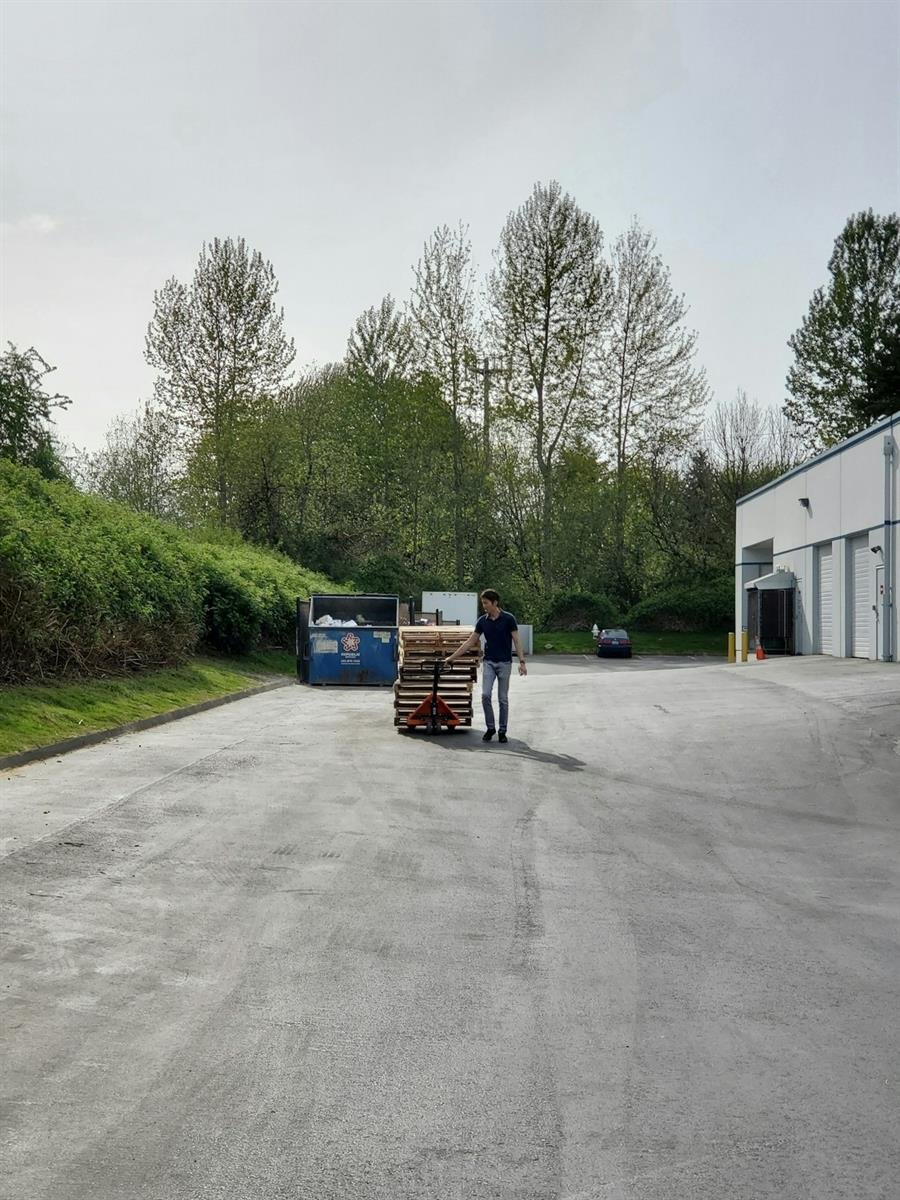
A conventional pallet jack moves pallets near the floor. It can be manual or powered, with capabilities varying by model. A forklift can lift loads to specified storage heights and perform tasks requiring a mast and rated capacity. If the operation never stacks pallets, a more complex truck may add cost and traffic risk without enough benefit.
If racks or loading heights are involved, check whether a stacker or forklift fits the actual height and load. Avoid assuming all equipment called a pallet truck has the same rating.
Compare Route and Labor
Measure travel distance, floor quality, slopes and pallet count per shift. A manual jack can suit shorter, lighter moves on suitable floors; a powered pallet truck can change the labor calculation. A counterbalance forklift can move and stack loads but needs space, training and maintenance.
| Work pattern | Equipment question |
|---|---|
| Short floor-level moves | Will a pallet jack suffice? |
| Tall rack placement | What mast-equipped truck is rated? |
| Frequent long travel | Is powered travel justified? |
| Tight aisle | What are actual turning needs? |
The 2 ton diesel forklift shown is a counterbalance comparison image, not a substitute for a pallet jack in every task.
Calculate the Practical Choice
Compare acquisition, maintenance, charging or fuel, training and movements per hour. Include pedestrian traffic and dock safety. The cheapest unit may be slower if workers make many repeated trips; the larger unit may be unnecessary if it cannot exploit its lift capability.
Request capacity and use limitations for the exact candidate, particularly on ramps. Match the equipment to the route and load rather than choosing a category from a catalogue.
Quantify the Movement, Not Just the Purchase
For floor-level pallet transport, note pallet weight, travel distance, ramps, frequency and the operator effort involved. A manual pallet jack may be appropriate for short, occasional moves on a suitable floor. As distance, frequency or load grows, an electric pallet truck or forklift may change labor and safety outcomes. The equipment's own rated use still governs.
The decisive requirement can be height. A conventional pallet jack is not a substitute for a forklift when pallets must be placed into high racks or onto elevated positions. Conversely, buying a forklift for a few short floor-level moves can add training, inspection, charging or fueling and traffic-management costs that the task does not justify.
Calculate the whole workflow: pick-up, travel, turning, placement, return and congestion with pedestrians. If a forklift can also serve dock and rack work, allocate that benefit to the comparison. Do not assume a faster machine is automatically better when the route is too tight or the volume too low to use its capacity.
Frequently Asked Questions
Can a pallet jack stack into high racks?
A conventional floor-level pallet jack cannot; specialized stackers are a different equipment category.
Is a forklift always faster?
Not necessarily. In a short, crowded floor-level route, other equipment may be more efficient.
Discuss Your Forklift Requirements
Send your load weight, lift height, aisle width, duty hours and destination to Qisheng. Request a configuration and quote.