Heavy Duty Forklift Selection Guide
News
Quick Answer
A heavy duty forklift needs a capacity margin appropriate to the actual load center, attachment and lift height; larger nominal tonnage alone is not a complete specification.
Define What “Heavy Duty” Means
The term can describe heavier loads, long duty hours, harsh surfaces or frequent outdoor handling. These are separate requirements. A truck suitable for a compact heavy pallet may not handle a long bundle of similar mass because the center of gravity moves forward. Likewise, a machine with enough capacity might not be built for an unfinished yard.
Document the heaviest normal load and the occasional maximum separately. Include dimensions, center of gravity and lifting method. If loads are irregular, ask the manufacturer or supplier for application review before placing an order.
Examine the Whole Machine
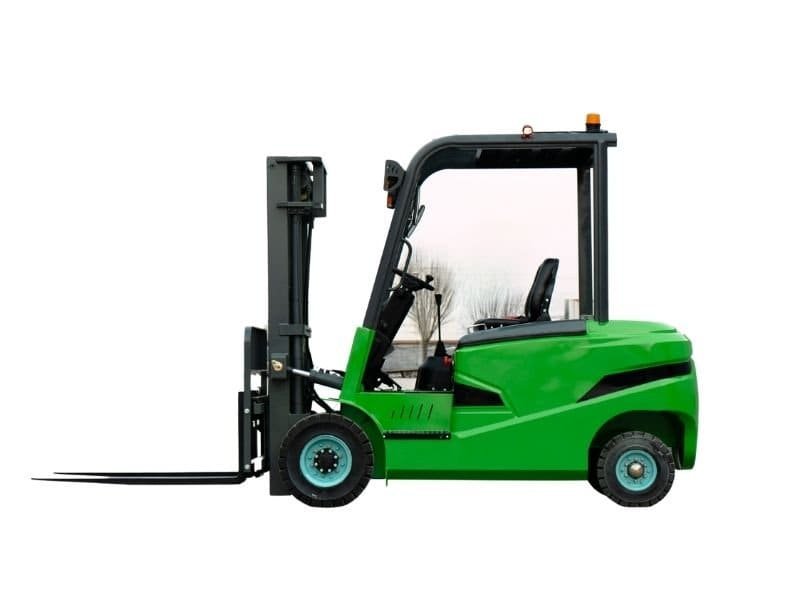
Mast design, forks, tires, frame, brakes and powertrain all contribute to a practical heavy-duty configuration. For stacking, review capacity at the intended lift height. For outdoor travel, check ground conditions and gradients. A 3 ton diesel forklift is a useful comparison point for moderate industrial loads, but it is not a substitute for the required rated capacity calculation.
| Requirement | Evidence to request |
|---|---|
| Long load | Approved capacity at its load center |
| Tall lift | Capacity data at target height |
| Harsh surface | Truck and tire suitability statement |
| Extended shifts | Maintenance and energy plan |
Avoid accepting a claim that an engine upgrade increases the lifting rating. The data plate for the exact mast, forks and attachment is the document that matters.
Plan Delivery and Service
Higher-capacity trucks can place significant loads on docks and floors. Confirm operating weight, shipping dimensions and wheel-loading information before delivery. Ask who will service the engine or electrical system locally and how serial-number-specific spare parts are ordered.
If an attachment is essential, include it in the original quote so the supplier can provide the correct capacity approval. A later retrofit without updated instructions can undermine the purchasing decision. Train operators for the actual machine and job; larger trucks can have different visibility and turning behavior.
Test the Worst Real Load Case
“Heavy duty” is a sales description, not a capacity number. Define the largest load by weight, length in the fork direction, width and center of gravity. An irregular machine component can put its center farther forward than a compact pallet of the same mass. The truck, forks and any attachment need approval for that case at the required lift height.
Look beyond the machine's rating to the route carrying it. A heavy truck and load may affect floor slabs, dock plates, ramps and transport vehicles. Ask a qualified facility professional to assess structural questions; a brochure's operating weight cannot establish floor capacity. If the work crosses uneven outdoor ground, confirm that the entire chassis and tire arrangement suit it.
For import planning, specify how the equipment will be unloaded and serviced at the destination. A very large machine may need specialized lifting equipment, more spare-part stock and trained technicians. Request the exact configuration drawing, data plate information, transport dimensions and lead time before comparing quotations. An apparently low unit price has little value if the site cannot receive or maintain the truck.
Frequently Asked Questions
Is a 3 ton forklift always heavy duty?
The phrase is relative. Review load profile, duty cycle and surface rather than relying on a marketing category.
Can I add heavier forks to raise capacity?
No. Fork changes do not independently raise the truck's approved rating; obtain manufacturer guidance.
Discuss Your Forklift Requirements
Send your load weight, lift height, aisle width, duty hours and destination to Qisheng. Request a configuration and quote.