How to Choose a Forklift for Your Work
News
Quick Answer
How to choose a forklift starts with the load and route: specify weight, load center, lift height, aisle, surface and working hours before comparing brands.
Describe the Hard Requirements
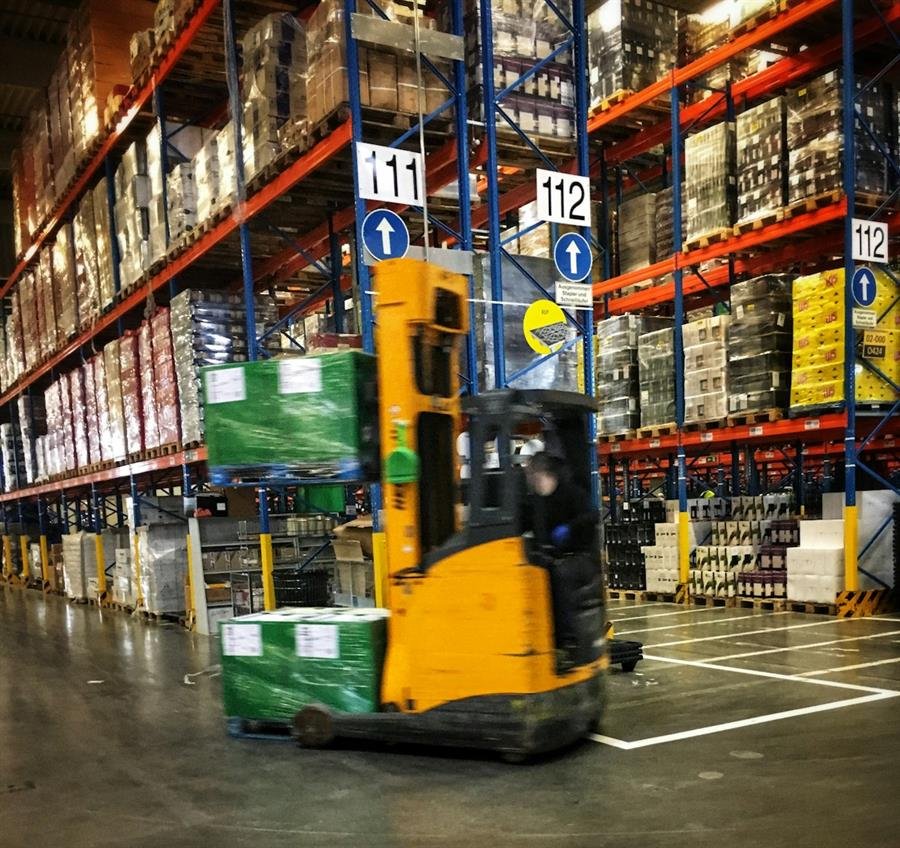
Measure the heaviest regular load and any occasional special load. Record depth in the fork direction, required lift height and the lowest overhead clearance. Survey the narrowest usable aisle after pallet overhang and rack protection. Note whether the route includes docks, grades, wet floors or outdoor ground.
These details eliminate unsuitable machines before price becomes distracting. A truck that fits the pallet's weight but cannot turn at the rack is not an economical purchase.
Shortlist Truck Types
Counterbalance, reach and pallet-handling equipment solve different problems. Indoor electric trucks require a charging plan; engine-powered trucks need site-appropriate ventilation and fuel support. A 2 ton electric forklift and 3 ton diesel forklift should not be compared by capacity alone.
| Work requirement | Information to request |
|---|---|
| Long pallet | Approved capacity at actual load center |
| High rack | Capacity at target lift height |
| Tight aisle | Dimensioned turning calculation |
| Multiple shifts | Energy and maintenance plan |
Ask sellers to quote the same mast, forks, tires, power package and delivery scope where possible. Read the proposed data plate or capacity chart for the exact configuration.
Validate and Purchase
Use a layout trial or scaled drawing for the most difficult pallet movement. Review operator visibility, pedestrian routes and charging or fueling location. Confirm manuals, warranty, parts support and freight terms before accepting a quote.
The cheapest compliant-looking model is not necessarily the lowest-cost one. A service delay or unsuitable aisle geometry can dominate a small price difference. Keep a written requirement sheet and ask each seller to mark any deviation rather than leaving assumptions hidden.
Run a Shortlist Test with Real Work
After the basic specifications are collected, choose two or three candidate configurations and test them against the hardest normal task. Use the longest regular pallet at the highest required rack position, then trace its full route through the narrowest aisle, door and dock. A truck that passes the load-weight test but cannot make the turn should leave the shortlist early.
Ask suppliers for a written explanation of how their proposed mast, forks, tires and power system meet each requirement. Record the capacity at the actual load center and height, not just nominal tonnage. If the quote shows optional equipment, identify which option is necessary and whether it affects capacity or delivery time.
Finally compare service as well as hardware. Who supplies parts in the destination country, what documentation comes with the truck and how will a fault be diagnosed? A buyer can accept a price premium for a better fit and support route, but should be able to point to the specific benefit. The result is a reasoned equipment choice, not a brand preference disguised as a checklist.
Define the Acceptance Test Before Paying
Put the agreed model, mast, forks, tires, power system and attachments on a single acceptance sheet. At delivery, check the serial number and data plate, inspect for transport damage, verify the manuals and test only under a controlled procedure with trained personnel. Record any difference from the quotation before signing final acceptance. For overseas orders, agree in advance which documents, photographs and test results the seller will provide before shipment. This is particularly important when the buyer cannot visit the factory: the more precise the original requirement, the easier it is to establish whether the delivered truck actually matches it.
Frequently Asked Questions
What is the first forklift specification?
Start with approved capacity for the actual load center and height, then verify route fit.
Should I buy extra capacity just in case?
Choose an appropriate margin based on real loads, but do not use surplus tonnage to ignore dimensions or operating conditions.
Discuss Your Forklift Requirements
Send your load weight, lift height, aisle width, duty hours and destination to Qisheng. Request a configuration and quote.