Skid Steer Loader: Specs, Uses and Buying Guide
News | September 20, 2026
Quick Answer
A skid steer loader is a compact machine with a front-mounted bucket or attachment. It turns by varying the speed of the left and right drive sides, giving it a small turning radius and good maneuverability.
The main specification groups are lifting capacity, hydraulic flow, machine dimensions, engine power and attachment compatibility. Buyers should also compare wheeled and tracked versions for the ground conditions and access requirements of the job.
| Feature | Buying Consideration |
|---|---|
| Lift capacity | Match rated operating capacity and tipping load to the actual material. |
| Hydraulic flow | Check auxiliary flow for augers, breakers, grapples and trenchers. |
| Dimensions | Confirm width, length and turning radius for narrow access. |
| Drive type | Wheels suit hard surfaces; tracks improve traction and reduce ground pressure. |
| Attachments | Confirm mounting type, hydraulic requirements and control functions. |
What a Skid Steer Loader Does
A skid steer loader can load soil, gravel and debris, lift pallets, grade surfaces and clean construction sites. With the correct attachment, it can also drill, trench, break concrete, sweep or move snow.
The machine is popular because it combines compact dimensions with a wide attachment range. A well-configured loader can replace a wheelbarrow, forklift and small dozer on many jobsites.
Skid Steer Loader Specifications
Rated operating capacity describes the load the machine can handle under defined conditions. Tipping load is the point at which the machine becomes unstable. Both values should be considered with the load center and attachment weight.
Hydraulic flow and pressure determine attachment performance. A standard-flow machine is suitable for many buckets, forks and simple attachments, while high-flow work requires a machine and hydraulic package designed for the task.
Wheeled or Tracked Skid Steer Loader
Wheeled loaders are efficient on concrete, asphalt and hard-packed surfaces. They are easier to transport in some configurations and can be more economical to operate.
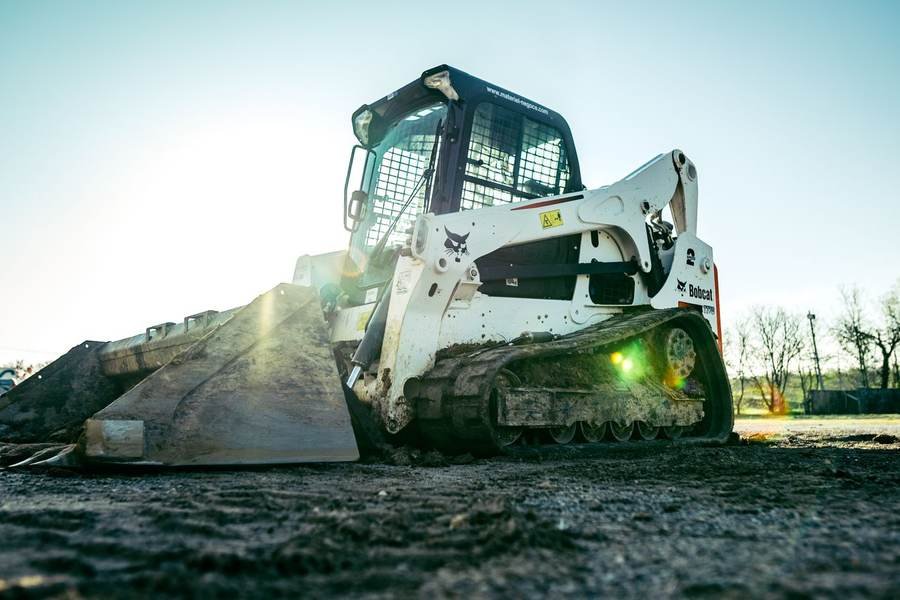
Tracked skid steer loaders provide more traction in mud, sand and loose material. They also spread weight across a larger area, which helps reduce surface damage. The right choice depends on the job, transport route and operating cost.
How to Choose a Skid Steer Loader
Start with the load and access requirements, then confirm the attachment package. Review engine options, hydraulic flow, service access and spare-parts availability before comparing price.
For export buyers, ask for factory test documentation, warranty terms, packaging details and delivery schedule. View the QS-380T mini skid steer loader for a compact tracked option.
Frequently Asked Questions
What is a skid steer loader used for?
It is used for loading, lifting, grading, cleanup, trenching and material handling with the appropriate attachment.
What is the difference between a skid steer loader and a compact track loader?
A skid steer loader may use wheels or tracks and steers by skidding. A compact track loader is normally defined by its dedicated track undercarriage and may use different steering and suspension designs.
How do I choose the right skid steer loader size?
Match machine width to access, rated capacity to the load and hydraulic flow to the attachments. Transport weight and turning radius are also important.
Compare QS Loader Solutions
Review the QS-380T mini skid steer loader and our loader product range for construction, landscaping and material handling.
Need Help Choosing the Right Machine?
Send your load capacity, attachment, working width and transport requirements for a factory-direct quote from Qisheng Machinery. Contact our sales team.