Types of Forklifts and Where Each Works Best
News
Quick Answer
The main types of forklifts include counterbalance, reach, narrow-aisle, rough-terrain and pallet-handling designs; select by route, rack height, load and surface.
Match Machine Shape to the Work
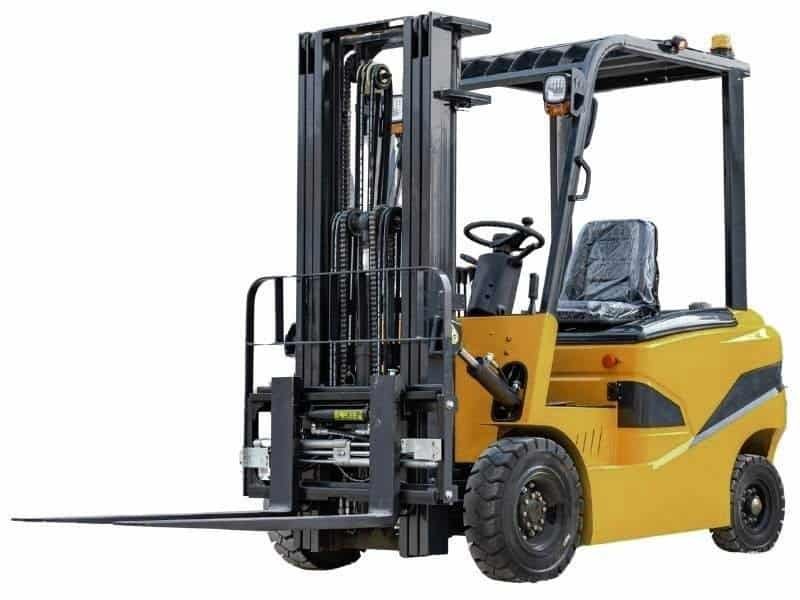
Counterbalance forklifts place forks in front of the chassis and work well in many loading and yard tasks where turning room exists. Reach trucks are engineered for taller rack access in suitable warehouse aisles. Order pickers raise the operator for item picking, which is a different task from moving full pallets. Rough-terrain machines address unfinished ground and should not be confused with standard pneumatic-tire counterbalance trucks.
A pallet stacker or pallet jack may be enough for shorter lifts and lighter workflows, but check its exact rating and operating limits. Buying an oversized truck can waste space; buying a truck that only meets the load weight may still fail at the door or rack.
Compare the Site Constraints
Draw the route from receiving to final placement. Note the narrowest clear aisle, door height, ramp, dock edge, outdoor surface and required lift. Ask whether operators carry pallets, select individual cases or load vehicles. These operational differences are more useful than a generic list of truck names.
| Job pattern | Type to investigate |
|---|---|
| Mixed loading and open aisles | Counterbalance forklift |
| Tall racks on smooth floors | Reach truck |
| Item picking at height | Order picker |
| Unprepared ground | Rated rough-terrain machine |
The table identifies candidates, not approval. Verify the data plate and supplier dimensions for the actual configuration, particularly with attachments or unusual pallets.
Narrow the Purchase Shortlist
Once the type is clear, compare electric and engine-powered options on ventilation, energy supply, working hours and service access. A 2 ton diesel forklift and 2 ton electric forklift can share nominal capacity yet fit different operating conditions. Also ask about mast options, fork length, tires and local support.
For U.S. sites, the OSHA types and fundamentals guide is a useful reference when discussing equipment with supervisors. Final selection must follow the actual worksite assessment and manufacturer's instructions.
A Two-Route Selection Exercise
Sketch two routes on the same warehouse plan. Route A brings heavy pallets from a dock to floor staging; route B places lighter pallets into tall racks through a restricted aisle. A counterbalance truck may be easier to use around the dock, while a reach design may be better aligned with the rack route. The best fleet can include two types rather than forcing one machine to compromise on both jobs.
For each route, note pallet depth, maximum load, top beam height, clearance under doors and sprinklers, aisle width after pallet overhang, floor quality and hours of use. Send the same route data to every supplier. If a machine requires a wider aisle or a different rack layout, count that building change in the decision instead of comparing only the truck price.
The words “forklift” and “reach truck” are also used loosely in sales listings. Ask for a drawing or dimension sheet of the exact proposed model, including turning or right-angle stacking requirements. When a listing includes a photo of a different mast or attachment, request a quotation that identifies the real equipment being supplied.
Frequently Asked Questions
Which forklift type fits a narrow aisle?
Often a reach or other narrow-aisle design, but confirm rack geometry, floor quality, pallet size and required lift.
Are rough-terrain tires enough for outdoor ground?
No. The entire truck must be rated for the surface and use; tires alone do not turn a warehouse truck into rough-terrain equipment.
Discuss Your Forklift Requirements
Send your load weight, lift height, aisle width, duty hours and destination to Qisheng. Request a configuration and quote.