Warehouse Forklift Selection Guide
News
Quick Answer
A warehouse forklift should fit the heaviest pallet, rack height, aisle geometry and shift schedule; matching only the rated tonnage leaves costly layout problems.
Start with the Route
Map every movement from receiving to storage and dispatch. Measure the clear width after rack protection, pallets and pedestrian barriers are in place. Record the lowest doorway and the highest required fork position. Floor quality matters too: a small surface defect can affect a loaded truck differently from an unloaded one.
Ask whether the work is full-pallet movement, case picking or frequent dock transfer. A reach truck, counterbalance forklift and order picker solve different warehouse problems. Do not select a narrow-aisle truck just because square footage is expensive; the racking and floor need to support it.
Match Power and Configuration
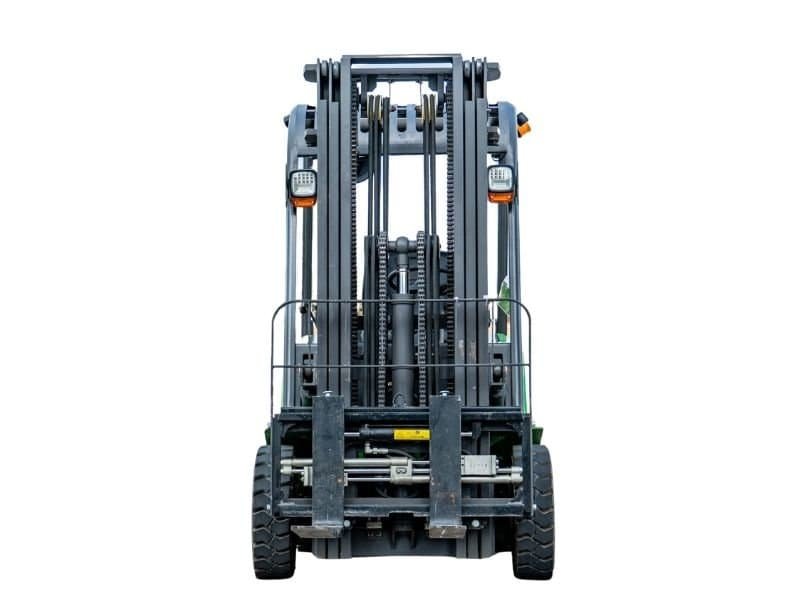
An indoor warehouse may favor electric power, provided the charging area, electrical supply and shift timing are suitable. A 2 ton electric forklift is a counterbalance reference, but confirm the actual battery, mast and tire options in the quotation. Check its turning envelope with your real pallet length.
| Warehouse input | Effect on selection |
|---|---|
| Rack height | Mast and residual capacity |
| Clear aisle | Truck type and turning space |
| Doorway height | Lowered mast and guard clearance |
| Shift pattern | Battery and charger sizing |
If the truck uses a loading dock, include dock-board ratings and trailer procedures in the site review. Warehouse buying is a route-and-process decision, not merely a comparison of product photos.
Verify Before Ordering
Request a dimensioned drawing, capacity plate details and written option list. Compare the truck in loaded and unloaded travel, as well as its approach to the pallet. Ensure the people who will operate it receive truck- and site-specific training. In the United States, the OSHA powered industrial truck standard is a key reference.
Check whether spare tires, forks and charger support are locally available. A low acquisition quote can become expensive if a battery or common wear part causes prolonged downtime. Keep these service questions in the same selection sheet as lift height and capacity.
Convert the Warehouse Plan into a Truck Specification
Start with the actual movement from goods-in to the farthest rack, not a blank equipment catalogue. On a floor plan, mark the narrowest clear aisle, cross-aisle, door, lift and dock approach. Add the pallet dimensions and the highest load placement. A nominal aisle width can be misleading if rack protectors, protruding pallets or columns reduce the space available to turn.
Next separate essential work from occasional exceptions. If one oversized pallet arrives each month, it may be cheaper to plan a special handling method than to make every daily warehouse move with a much larger truck. On the other hand, a regular high rack position must be covered by the approved capacity of the chosen truck at that height.
Ask the supplier for model-specific turning and right-angle stacking data, mast lowered height, top lift, load center and tire specification. Then trial the hardest route with a representative pallet if possible. Include charging or fueling space and pedestrian crossings in the plan; a truck that fits the racking but creates a conflict at goods-in has not solved the warehouse problem.
Record the Result of a Site Trial
Give every candidate the same pallet, pickup point and rack bay. Record whether the operator can enter the aisle, align the forks, place the pallet without repeated corrections and leave while maintaining the site's pedestrian controls. A trial should not be judged by speed alone; visibility, load stability and clearance matter. If the model cannot be demonstrated locally, ask for a dimensioned layout study based on the manufacturer's data and identify which assumptions remain untested. Keep that record with the quote so a later change to pallets or racking can be assessed against the original decision.
Frequently Asked Questions
What forklift is best for a warehouse?
There is no single best type. Aisle size, rack height, pallet load and work rhythm determine the useful shortlist.
Is rated capacity enough to compare models?
No. Confirm residual capacity at your height and load center, plus dimensions and energy fit.
Discuss Your Forklift Requirements
Send your load weight, lift height, aisle width, duty hours and destination to Qisheng. Request a configuration and quote.