Excavator Rubber Track Pads: Mounting Types and Fit
Qisheng Machinery · November 2, 2026
Excavator rubber track pads add a replaceable rubber contact surface to a suitable steel track system. Before ordering, identify the track assembly and how its existing shoes attach. A pad cannot be selected from excavator tonnage or shoe width alone.
Some compact excavators use a continuous rubber belt rather than individual steel shoes. A pad designed for a steel shoe is not an add-on for that belt. If you are choosing between complete systems, start with our rubber and steel track comparison.
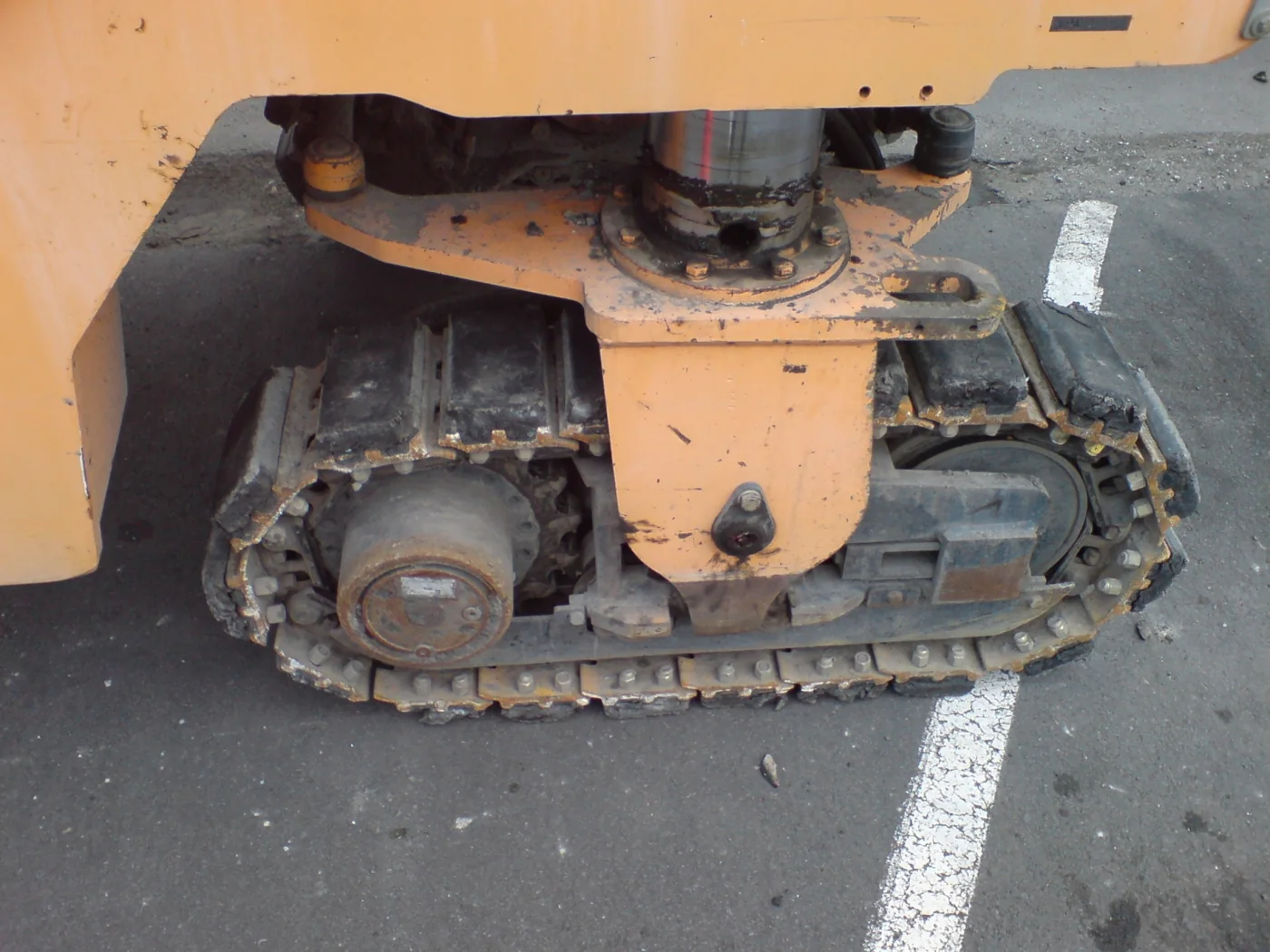
Identify the mounting arrangement
Camso describes three common arrangements: bolt-on pads and clip-on pads attach to suitable metal shoes, while chain-on pads mount to the chain in place of a conventional shoe arrangement. Names in a parts catalogue are a starting point; the supplier still needs to confirm the actual chain, shoe and hardware.
| Arrangement | What to identify | Question for the supplier |
|---|---|---|
| Bolt-on | Shoe profile, hole pattern and fastening hardware | Does the pad fit this shoe without an unapproved modification? |
| Clip-on | Shoe edge, grouser shape and clamp clearance | Is the clip designed for this exact shoe profile? |
| Chain-on | Chain and link identity, pitch and mounting pattern | Does the supplied pad replace the fitted shoe assembly? |
Do not drill a track shoe, substitute bolts or change a complete running gear system based on a catalogue illustration. The machine and pad suppliers must confirm the proposed arrangement and installation instructions.
Measure the fitted parts, not just the machine
Use the parts drawing and a safely parked, isolated machine. Record the machine model and serial number, track chain or shoe marking, shoe width, pitch if required, and the number of shoes on each side. For a bolt-on design, include the bolt-hole arrangement and the fastener details requested by the supplier. For a clip-on design, show the shoe edge and grouser profile in an end-on photograph.
Take one photograph of the full track side and another of the pad, shoe and visible mounting points. If measurements need a raised track, removal of parts or work under equipment, use the manufacturer’s support and service procedure or have a qualified workshop do it.
Consider the whole route
Rubber pads may be useful when a steel-tracked machine must cross finished surfaces. They do not promise a mark-free crossing: turning, trapped stones, pad condition, surface temperature and loading can still matter. Agree on any temporary protection with the property owner.
Inspect for missing pads, exposed fasteners, loose hardware and damaged rubber using the machine-specific procedure. Compare a full set with a partial replacement on the same basis: pad count, mounting hardware, fitting labour and inspection of the underlying shoes. A low price for one pad cannot establish the cost of a complete job.
Reference: Camso, construction track basics, for its descriptions of pad arrangements.
Ask Qisheng for an identified pad quotation
Qisheng can supply rubber track pads. Send the carrier make, model and serial number, shoe or chain identification, pad style, required quantity and delivery country. Include clear top and underside photographs, the shoe width, mounting-hole centres where relevant, and any readable part number. Confirm the mounting and hardware in writing before purchase.
Rubber pads are a separate parts enquiry from a replacement continuous rubber belt. Tell us whether you need individual replacements or a complete set, and describe the surface and damage that prompted the request. Use our parts quotation contact for the confirmed specification and shipping scope.