How to Dig a Trench with a Mini Excavator
Qisheng Machinery · Updated October 18, 2026
Quick Answer
Planning how to dig a trench with a mini excavator requires a defined route, finished dimensions, underground-service information and an assessed excavation method. Then match access, working space, bucket and spoil handling to that plan. Machine reach alone does not establish a safe excavation or a finished drainage design.
This guide concentrates on the job layout and checks that determine whether the proposed machine and sequence are suitable. Use the hourly trenching estimate for production calculations.
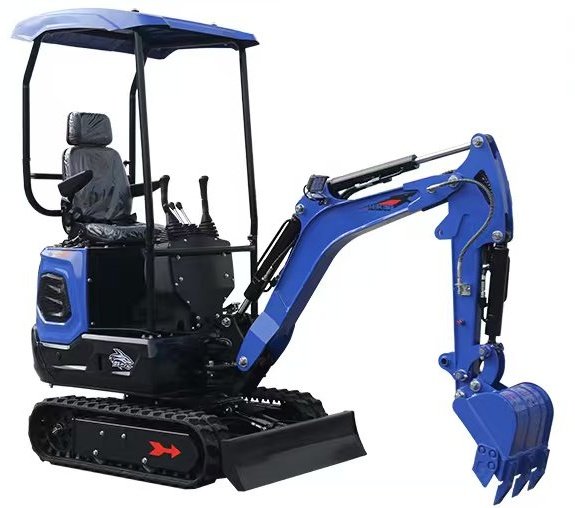
Define the Finished Trench Before Choosing the Bucket
Record the route length, bottom width, excavation depth, required bedding and finished levels from the project specification. Identify whether the stated depth refers to the pipe, bedding surface or trench bottom. A small misunderstanding here changes both excavation volume and the required reach.
| Layout item | Practical record |
|---|---|
| Route and endpoints | Drawing, site reference and any changes in direction |
| Finished width and depth | Defined reference surfaces and tolerances |
| Grade | Required levels and the survey/checking method |
| Services | Locating responses, marked area and agreed verification method |
| People and access | Whether entry is required and the protective/access arrangements |
| Spoil and deliveries | Stockpile area, loading route and material separation |
For illustration only, a rectangular excavation 12 m long, 0.30 m wide and 0.60 m deep contains 2.16 m³ in its original position. That excludes over-excavation, slopes, bedding and the change in volume when soil is loosened. It is a quantity calculation, not a recommended trench design.
Establish Ground, Services and Protection
Have underground services identified and follow the local excavation and verification requirements. Ground support, water, adjacent structures and loads near the edge may change the method or make the proposed machine position unsuitable.
For US construction work, OSHA 1926.651 requires precautions for underground installations and nearby equipment. Its spoil provision specifies at least 2 ft from the edge or suitable retaining measures. That is not a universal safe machine setback.
OSHA 1926.652 requires cave-in protection, with defined exceptions for stable rock or excavations under 5 ft where a competent person's examination finds no indication of a potential cave-in. A shallow trench is not automatically safe to enter. These are US provisions; apply the relevant rules in the project's jurisdiction.
Match Access, Reach and Spoil Handling
Qisheng's v9 catalogue lists a 400 mm digging bucket for QS-12 and QS-18. A catalogue bucket width does not establish finished trench width, compatibility with another bucket or the working space required for the excavation method.
When comparing a 1.2 ton mini excavator and a 1.8 ton mini excavator, treat those labels as model classes. Use the supplied configuration's actual dimensions, working envelope and verified weight. Do not assume that a machine can work at a brochure's maximum depth with every bucket and protective arrangement.
Set the excavation sequence around the accepted machine position and disposal plan. A shorter swing cannot justify placing spoil or a vehicle where it creates a surcharge or blocks access. Check depth and level against a stable project reference, not the disturbed spoil surface.
Record changes in soil, water, services or ground movement and stop when the agreed conditions no longer apply. Backfill and compaction need their own material and project specifications; digging a suitable hole does not complete those tasks.
Frequently Asked Questions
What size mini excavator should I choose?
Begin with the access, excavation geometry, attachment and spoil-handling plan. A class label alone cannot answer the question. Compare the mini excavator models against those requirements.
Will a 400 mm bucket produce a 400 mm finished trench?
Not necessarily. Ground conditions, the method and permitted tolerances affect the result. Confirm that the selected bucket and process can meet the specified geometry.
Related Guides and Model Information
When planning mini excavator work or buying a new mini excavator, send the route drawing, access photographs, required dimensions and intended bucket to Qisheng Machinery. Use the daily digging planner after the work method has been established.