Can a Mini Excavator Remove Stumps?
News | September 18, 2026
Quick Answer: Can a Mini Excavator Remove Stumps?
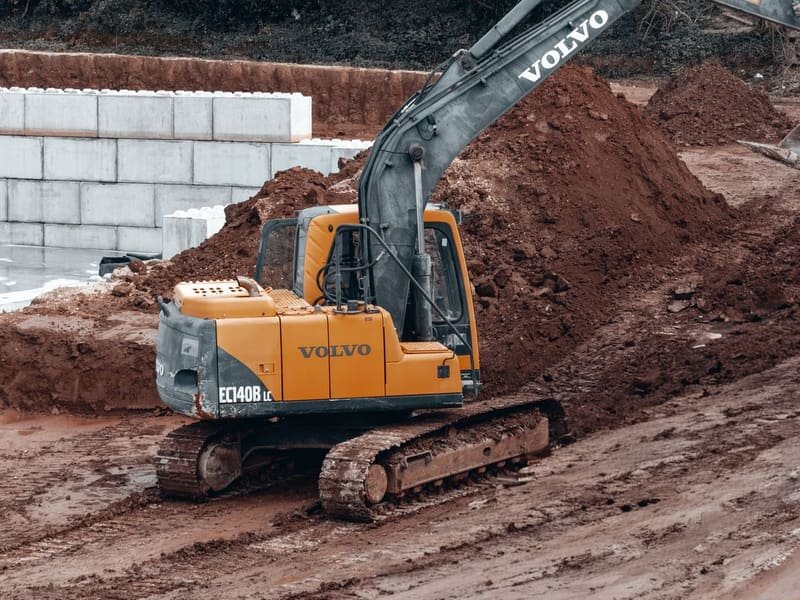
Yes. A mini excavator can remove small and medium stumps when it has enough breakout force, reach and bucket capacity. Larger stumps may need a heavier machine, a ripper or a stump grinder.
The best approach is to expose the root ball, cut or break the main roots and lift the stump without overloading the machine.
| Stump Size | Suggested Approach | Typical Machine |
|---|---|---|
| Small | Expose roots and push or lift | 1–1.5 ton |
| Medium | Dig around root ball and lift | 1.8–2.5 ton |
| Large | Ripper, grinder or larger excavator | 2.5 ton or larger |
Choose the Right Machine Size
A 1.5–2.5 ton mini excavator is generally more effective for stumps than a 1-ton machine because it offers more breakout force and lifting stability.
How to Remove a Stump Step by Step
Work around the root ball and remove soil before attempting to lift the stump.
Bucket, Ripper and Grinder Options
A narrow root bucket or ripper can concentrate force. A hydraulic thumb helps grip and move pieces, while a stump grinder may be faster for large stumps.
Frequently Asked Questions
Can a 1-ton mini excavator remove a stump?
It can remove small stumps in soft ground, but larger stumps may exceed its breakout force and lifting capacity.
What is the best attachment for stump removal?
A ripper, narrow bucket, hydraulic thumb or stump grinder may help depending on stump size and root structure.
Can you pull a stump with a mini excavator?
Yes, but the pulling force and stability must remain within the machine’s limits.
Explore Our Mini Excavator Models
Compare compact excavators from 1 to 2.5 tonnes by size, lifting capacity, digging depth and project suitability.
Need Help Choosing the Right Machine?
Send us your project location, access width, digging depth and lifting requirements. We can recommend a suitable mini excavator model and prepare a factory-direct quote.
This article is for general information only. Confirm all dimensions, ratings and procedures against the exact machine manual before operation.
Expanded Guide: Can a Mini Excavator Remove Stumps?
Can a Mini Excavator Remove Stumps? begins with planning. Measure access, identify buried services and keep people outside the working area. Choose a stable machine position and decide where the spoil or material will go before making the first movement. For digging or grading work, a clear plan reduces unnecessary tracking and helps the operator maintain a consistent depth or slope.
Use smooth control inputs and keep the bucket close to the machine. Make shallow passes instead of forcing the bucket through the material, and reposition the machine when the reach becomes uncomfortable. Track direction, boom position and bucket angle all affect stability, so avoid lifting or swinging a heavy load at long reach.
Check the result as you work rather than waiting until the end. A level, string line, grade stake or laser reference can reveal errors early. Stop if the machine begins to slide, the load shifts or the ground becomes unstable. Keep the undercarriage clean and inspect hoses, pins and tracks during breaks so small problems do not become failures.
For more guidance, compare mini excavator sizes, review our weight guide, and contact Qisheng Machinery for model selection support.
Additional operating note: Productivity depends on good positioning, a stable base and a planned work sequence. Keep the bucket close, use low travel speed near obstacles and avoid overloading one side of the machine. Check grade references before each pass, and stop to reposition rather than overreaching. A short daily inspection, clean tracks and smooth controls reduce wear and improve safety. Follow the machine manual for limits, maintenance and operating procedures.
Looking for a New Mini Excavator?
Rental and used equipment can solve a short-term need, but a new machine gives you warranty coverage, dependable uptime, parts support, attachment options and finance choices. Compare your access width, digging depth, lifting capacity and transport limits with our new machines.