Can You Haul A Mini Excavator In A Dump Trailer
Qisheng Machinery · Updated October 18, 2026
Quick Answer
Yes, you can haul a mini excavator in a dump trailer if that specific trailer is approved for equipment loading and the complete load stays within every applicable rating. Confirm usable payload, floor and ramp capacity, bed dimensions, load distribution and rated tie-down points. A high GVWR or a machine that physically fits does not establish compatibility.
Calculate the complete load and confirm the trailer floor, tailgate, ramps and axles can handle the machine. If the manufacturer cannot confirm suitability for the tracked load, use an appropriately rated equipment trailer or a transport contractor.
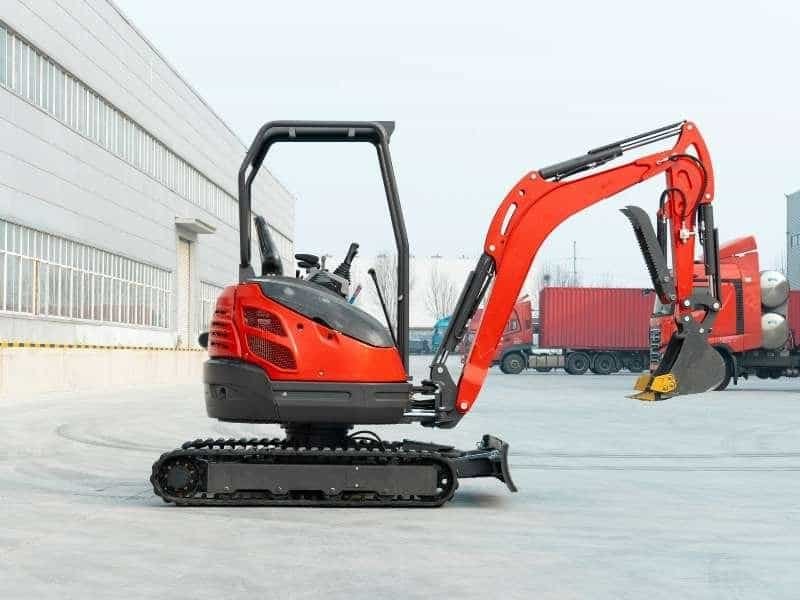
Calculate the Available Payload
Start with the trailer's certification plate and its actual empty weight in the configuration you will use. GVWR is the maximum loaded trailer weight, not the cargo allowance. Subtract the empty trailer, then account for everything carried.
The following is a hypothetical calculation, not a QS machine specification or an approved towing combination:
| Item | Example weight |
|---|---|
| Trailer GVWR | 14,000 lb |
| Actual empty trailer, including fitted options | 4,200 lb |
| Remaining allowance for all cargo | 9,800 lb |
| Excavator as transported, including fuel and installed bucket | 5,200 lb |
| Extra bucket and attachment, not included above | 650 lb |
| Loose securement gear and tools, not included above | 150 lb |
| Total example cargo | 6,000 lb |
| Loaded trailer total | 10,200 lb |
The 3,800 lb difference between loaded weight and GVWR is only an arithmetic margin. The tow vehicle, receiver, hitch, coupler, individual axles, tyres and combination rating can impose lower limits. Check those separately with the load in its intended position.
Use verified mini excavator weight for the supplied configuration. A nominal 1.8-ton or 2.5-ton sales class is not a transport weighing record. Avoid counting an installed bucket twice or overlooking a spare attachment. Our mini excavator weight guide explains which weight information to request.
Check the Bed, Floor and Ramps
| Check | Information to obtain before loading |
|---|---|
| Usable bed width | Clearance inside the sides, including the blade and widest machine component |
| Usable length | Room for the machine in its approved transport position, attachments and securement |
| Floor and structure | Manufacturer confirmation for the tracked equipment load and its distribution |
| Ramps | Rating for the intended machine, operating span, track width and attachment method; whether the rating is per ramp or per pair |
| Anchor points | Locations and working load limits, with a practical route for securement devices |
| Loading setup | Required coupling, parking, support and ramp installation procedure |
A bulk-material capacity alone does not establish that the floor supports a tracked machine. Tracks, ramps and the loading transition introduce different loading conditions. Do not improvise supports, substitute unapproved ramps or attach restraints to a tarp rail.
The Bri-Mar dump-trailer manual linked by BWise has a separate fixed-load procedure. It describes coupling to the tow vehicle, firm level ground, specified ramp installation and loading by an experienced operator. Use the manual for your trailer model rather than transferring another trailer's hardware instructions.
Position and Secure the Load for the Actual Combination
Do not use “centre the excavator over the axles” as the only positioning rule. Establish front-to-rear position from the trailer manufacturer's load-distribution instructions, required tongue load and measured axle loads. Keep the load balanced side to side. The correct position depends on the trailer, hitch and machine's transport configuration.
For US commercial operations subject to the federal cargo rules, 49 CFR 393.130 applies its heavy-equipment requirements to an individual machine weighing at least 10,000 lb (4,536 kg), including a minimum of four tiedowns. Lighter equipment may use that section or the alternatives specified there. “Every mini excavator legally needs exactly four straps” is therefore not a complete rule.
Have the securement plan account for the machine and trailer anchor ratings, device working load limits, attachment restraint and movement in all directions. Use approved mounting points; hoses, sheet metal and an unrated rail are not substitutes. Follow the machine's specified transport position and the applicable securement rules for the bucket, blade and other movable parts.
Before departure, check brakes, lights, tyres, coupling, safety equipment and route limits. Recheck securement at the intervals required by the applicable rules and equipment instructions, and after events that could disturb the load. Driver licensing and road requirements are separate from the trailer's mechanical capacity.
Frequently Asked Questions
Can any dump trailer haul a mini excavator?
No. The trailer needs suitable payload, floor, ramps, dimensions and anchors. Written model-specific equipment-loading instructions are more useful than a general “heavy duty” label.
Should the machine be centred?
Balance it side to side, but determine front-to-rear placement from tongue load and axle-load requirements. Being visually centred over the axle group does not prove correct distribution.
How many tie-downs are needed?
Determine the arrangement from the machine, securement equipment and applicable rules. The US federal heavy-equipment section requires at least four tiedowns for machines of 10,000 lb or more; it also specifies alternatives for lighter equipment. Count alone does not establish adequate securement.
When is an equipment trailer the better choice?
Use a suitable equipment trailer when the dump bed, ramps or anchors cannot be confirmed for the machine, or when its dimensions prevent correct positioning and securement. A higher-rated trailer must still match the tow vehicle and load.
Related Guides and Model Information
See the mini excavator transport guide and F250 towing guide for related planning questions. If you are comparing new mini excavator models, including QS-12, QS-18 and QS-25, request a factory-direct quotation and ask for confirmed machine weight, transport configuration and tie-down information. Trailer and tow-vehicle suitability must then be checked for your combination.