Hydraulic Breaker Grease: Chisel Paste and Service Checks
Qisheng Machinery · November 2, 2026
Choose hydraulic breaker grease from the breaker manufacturer’s lubrication instructions. The tool shank, bushes and retainers work under repeated impact and friction; the grease used for an excavator’s ordinary pivot points may not be suitable there. Identify the attachment before buying a cartridge or assigning a service interval.
This guide covers lubrication questions for a breaker you own or intend to order. For carrier flow, mounting and attachment load, use the separate hydraulic breaker buying guide.
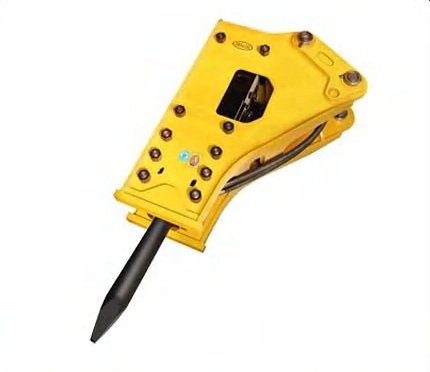
Why the working tool may require chisel paste
Epiroc’s consumables guide describes chisel paste for the working-tool and bushing contact areas, where ordinary excavator-bearing grease can lose its lubricating effect at high temperature. The relevant requirement is the approved product for the breaker and lubrication system. A cartridge labelled only “heavy duty” leaves that requirement unresolved.
When comparing products, obtain the full product identity and its application approval. A specification printed on an excavator grease cartridge does not establish that it is suitable for a hammer tool. Likewise, a product intended for an automatic lubricator must be supplied in the correct cartridge or feed arrangement for that unit.
Put the lubrication instructions beside the attachment record
| Confirm from the selected breaker’s instructions | Why it matters |
|---|---|
| Lubrication point and approved product | Separates the tool-shank requirement from carrier pivots or hydraulic oil |
| Manual or automatic delivery | Identifies the gun, cartridge or installed lubrication unit |
| Attachment and tool position | Controls where lubricant is delivered inside the assembly |
| Interval, amount and severe-service conditions | Gives the operator an applicable schedule rather than a general daily reminder |
| Inspection and reporting requirements | Connects lubricant use with tool, bush and retainer condition |
Caterpillar’s attachment-maintenance guidance illustrates why “once a day” can be insufficient: its hammer example calls for lubrication within the working shift and distinguishes normal from extreme use. It also directs owners to the operating manual for attachment positioning. These are manufacturer examples, not a schedule or grease quantity for an unidentified Qisheng breaker.
Follow the specified position and delivery method
Use the prescribed parking, isolation and attachment-support arrangement before service. Keep clear of a hot working tool and any mechanism that can move. Clean the connection before lubricating, use the identified product and follow the attachment’s position and quantity instructions. Do not improvise an injection point or force grease through an unidentified passage.
For an automatic system, include the lubrication-unit identification in the record. Confirm the approved cartridge, filling procedure and how the operator checks supply. The presence of a pump does not show that it is delivering lubricant; an empty reservoir, damaged line or unresolved warning needs attention according to that system’s instructions.
Use wear and lubricant records together
Record the attachment model, hours, lubricant used, service time and any unusual tool or retainer condition. If lubrication is not reaching the required area, stop and arrange an assessment using the breaker instructions. Increasing pressure or substituting a different grease without checking the cause may leave the fault unresolved.
Tool damage also needs a separate inspection. A fresh cartridge cannot restore a worn bush or correct the wrong working-tool fit. The breaker chisel guide explains the part-identification information needed for a replacement.
Include service requirements in a Qisheng breaker enquiry
For a proposed machine-and-breaker order, send the carrier configuration, material, task and delivery country to request a breaker quotation and its maintenance information. Ask for the identified breaker, working tool, mounting, hoses, instructions and applicable lubrication requirements together. The configuration options page is an entry point for discussing the package.
For an attachment already in service, include its model and serial number, lubrication-unit details where fitted, the current lubricant label and photographs of the point or damaged component. This lets the supplier answer an identifiable service request.
Technical references: Epiroc, hydraulic-breaker consumables, chisel-paste section; Caterpillar, attachment maintenance. Follow the supplied breaker’s own instructions.