Mini Excavator Bucket Sizes and Dimensions
News | September 18, 2026
Quick Answer: How Do You Choose a Mini Excavator Bucket Size?
Choose a bucket by machine size, trench width, soil condition, bucket capacity and attachment compatibility. A narrow bucket gives more breakout force, while a wider bucket moves more material and finishes faster.
The bucket pin size, quick hitch and hydraulic system must match the machine. Dimensions vary between manufacturers, so confirm the exact specification.
| Bucket Size | Typical Use | Tradeoff |
|---|---|---|
| Narrow bucket | Trenching and compacted soil | Less material per pass |
| Standard bucket | General excavation | Balanced capacity and breakout |
| Wide bucket | Grading and loose material | Lower breakout force |
Bucket Width and Capacity
Bucket width affects trench size, material volume and breakout force. Capacity is usually measured in litres or cubic metres.
How to Match the Bucket to the Machine
Check pin diameter, mounting width, quick hitch and machine tonnage. An oversized bucket can overload the arm and hydraulic system.
Bucket Selection by Job
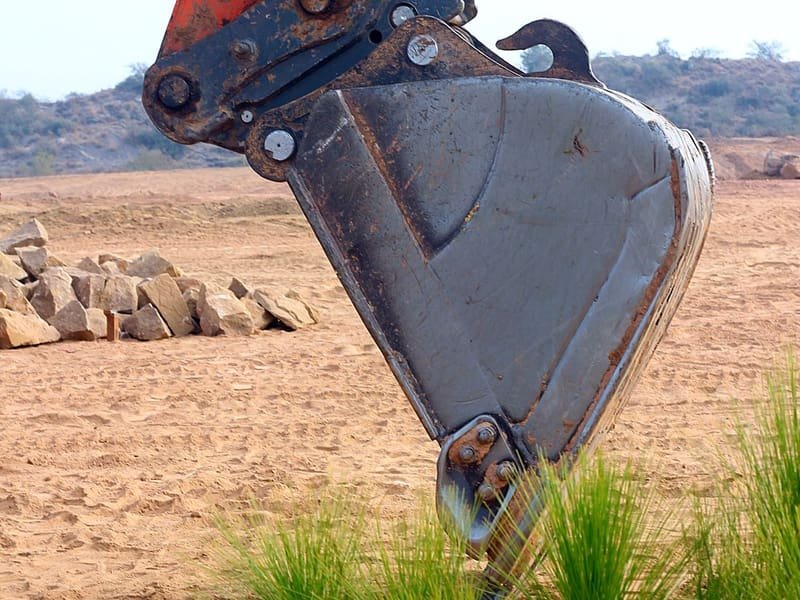
Use a narrow bucket for utilities and drainage, a standard bucket for general digging and a wide or smooth bucket for grading.
Frequently Asked Questions
What is the most common bucket size for a mini excavator?
A 300–450 mm bucket is common for trenching, while 600–900 mm buckets are used for general excavation and grading.
What is the standard bucket size for a mini excavator?
There is no universal standard. The bucket must match machine size, pin dimensions, quick hitch and job requirements.
Does a wider bucket dig faster?
A wider bucket moves more material per pass, but it also reduces breakout force and may not suit compacted soil.
Explore Our Mini Excavator Models
Compare compact excavators from 1 to 2.5 tonnes by size, lifting capacity, digging depth and project suitability.
Need Help Choosing the Right Machine?
Send us your project location, access width, digging depth and lifting requirements. We can recommend a suitable mini excavator model and prepare a factory-direct quote.
This article is for general information only. Confirm all dimensions, ratings and procedures against the exact machine manual before operation.
Expanded Guide: Mini Excavator Bucket Sizes and Dimensions
Mini Excavator Bucket Sizes and Dimensions starts with compatibility. Check the machine’s pin dimensions, quick-hitch type, hydraulic flow, pressure and auxiliary circuit before ordering an attachment. A bucket or tool that fits one mini excavator may not fit another even when the machines are the same nominal tonnage. Weight also matters because a heavy attachment reduces the usable lifting and digging capacity.
Match the attachment to the material and the job. A narrow bucket is useful for trenches, while a wider grading bucket covers more ground in soft material. Augers need the correct diameter, output shaft and hydraulic flow for the soil and hole depth. Thumbs, grapples, breakers and rippers each create different loads on the boom, arm and hydraulic system, so review the machine manual before installation.
Inspect pins, bushings, hoses and couplers after installation. Test the attachment at low engine speed in an open area and check for leaks, unusual noise or restricted movement. Keep the attachment clean and grease moving parts regularly. Store heavy tools on stable supports so hoses and quick couplers are not damaged while the machine is not in use.
Choose the right tool with our mini excavator attachments guide, compare mini excavator models, or contact Qisheng Machinery for attachment matching support.
Additional attachment note: Before purchasing or installing a tool, confirm pin diameter, spacing, quick-hitch compatibility, hydraulic flow and maximum attachment weight. Check that hoses have enough slack through the full range of movement and that the machine remains stable with the attachment fitted. Inspect couplers, bushings and pins regularly, and follow the installation torque and safety instructions. Correct matching improves productivity and avoids damage to the boom, arm and hydraulic system.
Looking for a New Mini Excavator?
Rental and used equipment can solve a short-term need, but a new machine gives you warranty coverage, dependable uptime, parts support, attachment options and finance choices. Compare your access width, digging depth, lifting capacity and transport limits with our new machines.