Mini Excavator Parts and Maintenance Guide
Qisheng Machinery · Updated October 16, 2026
Quick Answer
Identify mini excavator parts from the machine serial, engine identity and the component being replaced. A series name or tonnage class is often insufficient: the same QS series can have different engines, while an attachment can have a separate manufacturer and parts list. Connect those identities to the correct documents before choosing service items or assigning a maintenance interval.
Keep a record of the reported problem, inspection findings, work authorized and parts fitted. For a warranty request, include the serial and component identification, order reference, symptoms and clear photographs so the replacement can be checked. Qisheng’s warranty and parts arrangements include a one-year warranty and seller-paid airfreight for eligible warranty replacement parts. Request the written coverage and claim process, and confirm local diagnosis and labor separately.
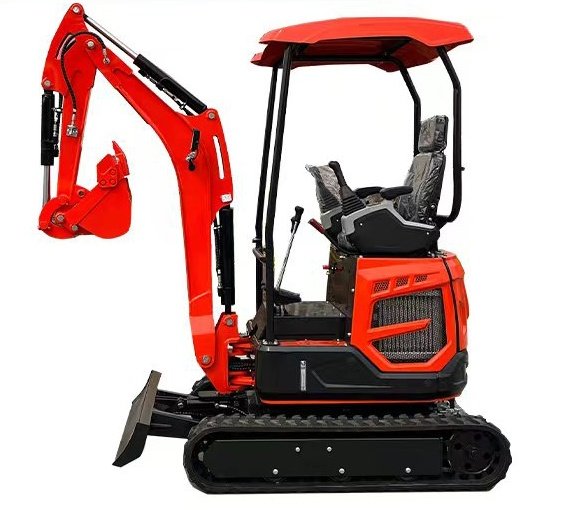
Separate Machine, Engine and Attachment Identities
| Identity | Information to collect | Why it matters |
|---|---|---|
| Complete machine | Model, serial plate, supplied configuration and any modifications | Establishes the machine and applicable parts information |
| Engine | Maker, model and identifying plate or serial details | Distinguishes engine-specific service parts |
| Hydraulic component | Manufacturer, model/code, connection details and photographs | A machine class does not identify the installed pump, valve or drive |
| Attachment | Maker/model, serial if present, interface and its own instructions | A tool may have separate service parts and requirements |
| Existing replacement part | Readable markings, part number and previous supplier record | Helps investigate replacements fitted after the original sale |
Photograph the component in place as well as its readable marking. The first image shows location and arrangement; the second helps establish identity. A close-up without context can leave the supplier unsure which component is being discussed.
Use QS Engine Variants as a Practical Example
Qisheng's October 9, 2026 v9 catalogue identifies these engines for the priority series:
| Series | Basic catalogue engine | PRO catalogue engine |
|---|---|---|
| QS-12 | KOOP 192 Euro V | Briggs & Stratton |
| QS-18 | Laidong 385 | Kubota D722 |
| QS-25 | Changchai 390 | Kubota D1105 |
A request for "a QS-18 engine service kit" therefore leaves an important distinction unresolved. Name the installed engine and ask for the applicable parts reference. The table is a catalogue identity aid, not a list of verified filter numbers or a promise that every stock machine uses the same revision.
The engine identification also does not determine the main machine's hydraulic fluid or track specification. Those systems need their own component and machine records.
Turn an Observation into a Defined Service Task
| Reported issue | Useful record before ordering |
|---|---|
| Damaged or worn track | Belt marking, side affected, installation history and undercarriage assessment |
| Suspected hydraulic problem | Component identity, symptoms, inspection findings and any authorized test results |
| Engine service due | Engine identity, applicable schedule and service history |
| Play at a joint | Joint location and a service assessment identifying affected parts |
| Attachment maintenance | Actual tool identity, separate instructions and identified consumables |
An observation is not a confirmed failure diagnosis. Do not order a pump solely because movement is slow, or a complete joint solely because a photograph appears worn. Record the assessment and approved repair scope separately from the initial complaint.
Where a repair requires hydraulic testing, controlled disassembly, pressure release or machine support, use the applicable procedure and a competent service provider. This guide organizes the request; it does not supply generic test pressures, torque settings or disassembly steps.
Build the Maintenance Record from the Actual Documents
Attach each task to its source: machine manual, engine instructions, attachment manual or component guidance. Record the applicable revision and any serial range. Then enter the required hours, calendar interval, first-service requirement and operating-condition adjustments exactly as they apply.
Bobcat's service-schedule directory organizes schedules by machine and directs users to the Operation & Maintenance Manual for procedures. The same document-identification discipline is useful when collecting QS information, but Bobcat intervals are not transferred to QS machines.
After service, retain the date, meter reading, part number, supplier, lubricant identity and work completed. Mark unresolved defects and incomplete tasks explicitly. A tick beside "maintenance done" does not show whether the correct component or fluid was used.
For recurring consumables, build the spare-parts list from identified parts and planned tasks. Qisheng provides free spare parts worth 1–2% of the order amount. That is a value basis, not a count of machines or a promise that one generic kit fits every engine. Agree the actual items, quantities and machine references in the order. Keep any additional paid parts separate.
Frequently Asked Questions
Can I order parts with only the QS model name?
Use it as a starting point, then include the serial and component identity. Engine variants and previous modifications can change the required item.
Does a matching size prove an aftermarket part fits?
It is only part of the check. Confirm the full specification, interface and intended application, including any manufacturer restrictions.
Are all maintenance intervals set by the engine manual?
No. The complete machine and attachments have tasks outside engine service. Keep the applicable documents and schedules connected to their own systems.
Related Service Guides and Model Enquiries
Use the rubber-track identification guide, greasing record and hydraulic-oil selection guide for those specific tasks.
For new equipment, compare the QS-12, QS-18 and QS-25 product pages. Send Qisheng the machine identity and the part or service requirement so the enquiry can be checked against the supplied configuration.