Mini Excavator Undercarriage Cleaning: Mud and Debris
Qisheng Machinery · November 2, 2026
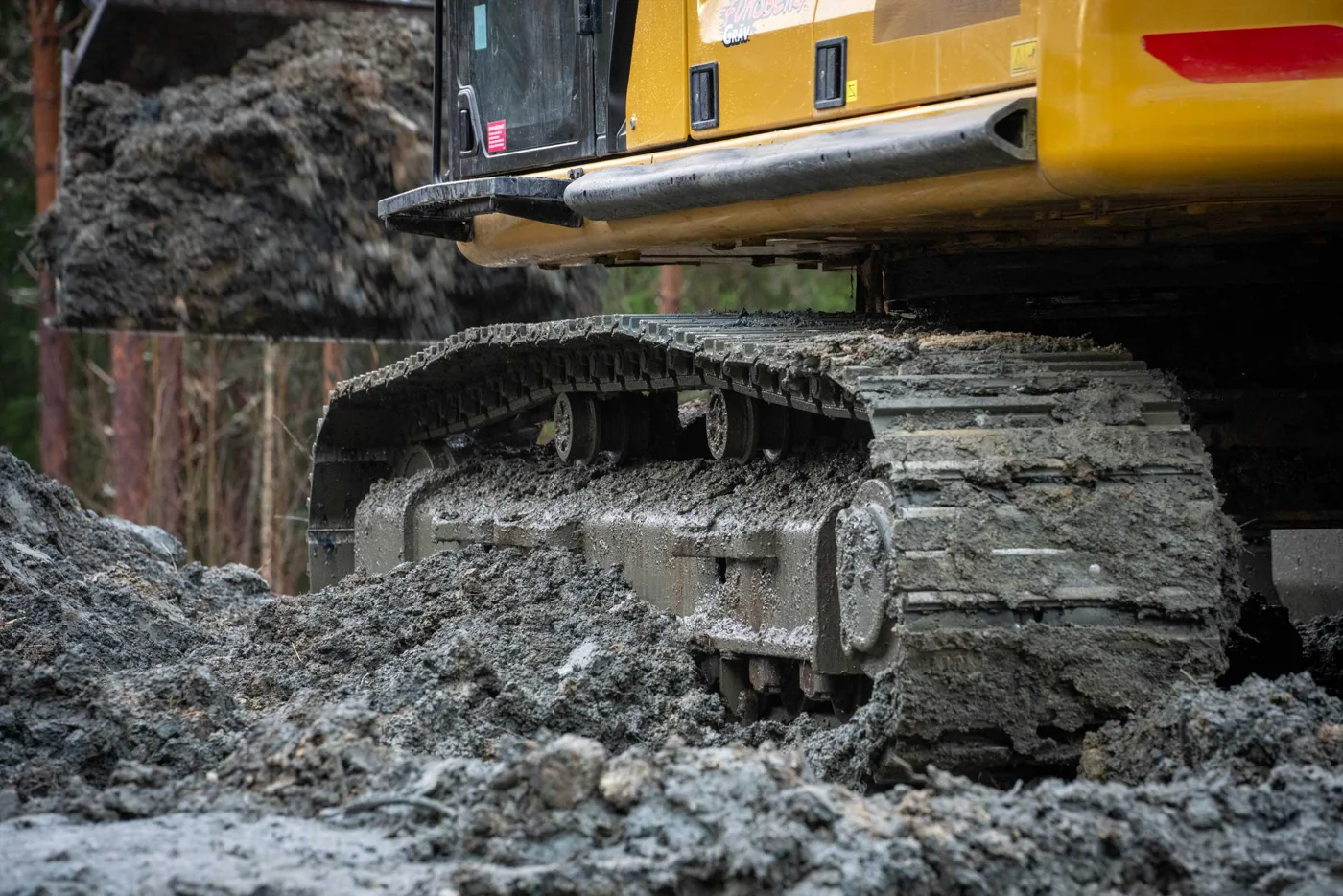
Clean a mini excavator undercarriage so that packed soil and debris do not hide components or interfere with inspection. The work starts with a stable parking position, the specified shutdown procedure and a plan for where the removed material and wash water will go.
Cleaning does not establish that a track, roller or sprocket is serviceable. Afterward, use the undercarriage inspection guide and the fitted machine’s instructions to record the condition of each component.
Prepare the machine and the area
Park on firm, level ground in the position specified by the operator’s manual. Lower equipment, shut down, isolate the machine and prevent an unexpected restart according to that manual. Keep other people clear and let hot components cool when required. Use suitable eye protection and other protection for the material and cleaning method.
Choose a place where the machine can remain stable as the ground becomes wet. Arrange suitable collection and disposal for contaminated soil or wash water under local requirements. Do not rely on the attachment or hydraulic pressure alone to support a raised machine, and do not reach under an unsupported track or into a mechanism that can move.
Look for material trapped around the running gear
| Area to review from safe access | Why it needs attention |
|---|---|
| Track frame and guards | Packed soil can hide damaged hardware, cracks or leakage. |
| Accessible gaps around rollers and idler | Stones, clay or other material may become trapped around moving components. |
| Sprocket and track engagement areas | Debris can obscure tooth condition and the path of the track. |
| Outside of the track | Build-up may conceal cuts, exposed reinforcement or missing material. |
Caterpillar identifies undercarriage cleaning as a way to keep key components visible and notes that cleaning frequency depends on the working material. Camso’s mini-excavator track guidance also identifies a clean undercarriage as part of track care. Neither source establishes a fixed cleaning interval for every Qisheng machine.
Use the method specified for the machine
Remove loose material only from safely accessible areas using the tools and method approved by the manufacturer. Do not put hands or tools between the track and running gear while movement is possible. If a component must be moved, raised or dismantled to reach debris, use the prescribed procedure and properly rated support, or arrange a qualified service visit.
Check the manual before washing. Avoid directing a concentrated jet at seals, bearings, electrical connections, labels or other sensitive parts unless the manufacturer specifically permits the method. A clean outer surface does not prove that concealed material has been removed. Do not loosen the track-adjuster valve to clear a packed track.
Record what cleaning reveals
Once the machine is safe to inspect, photograph damage or leaks before further work. Record the side, component, location, hour reading and material encountered. Compare track tension using the specified measurement method; cleaning alone is not a reason to change the adjustment.
Contact Qisheng with the machine serial number and photographs if you need a parts diagram, cleaning instructions or help identifying a damaged component. For a replacement belt, see the separate rubber-track receipt and setup guide.
References: Caterpillar, mini-excavator undercarriage cleaning; Camso, mini-excavator track operational guidelines. Apply the instructions for the fitted machine.