Mini Excavator Undercarriage: Inspect the Whole System
Qisheng Machinery · Buyer Guide · Prepared October 27, 2026
Quick Answer
A mini excavator undercarriage should be inspected as a system: tracks, rollers, idlers, sprockets, adjusters, guards, frame and drive components. Replacing the rubber belt alone does not resolve a defect elsewhere in the running gear.
Build a repeatable left/right condition record, then use the manufacturer's wear limits and service instructions to decide what needs attention. Track tension, component wear and drive lubrication are separate checks; tightening a track is not a general repair for noise, misalignment or damaged parts.
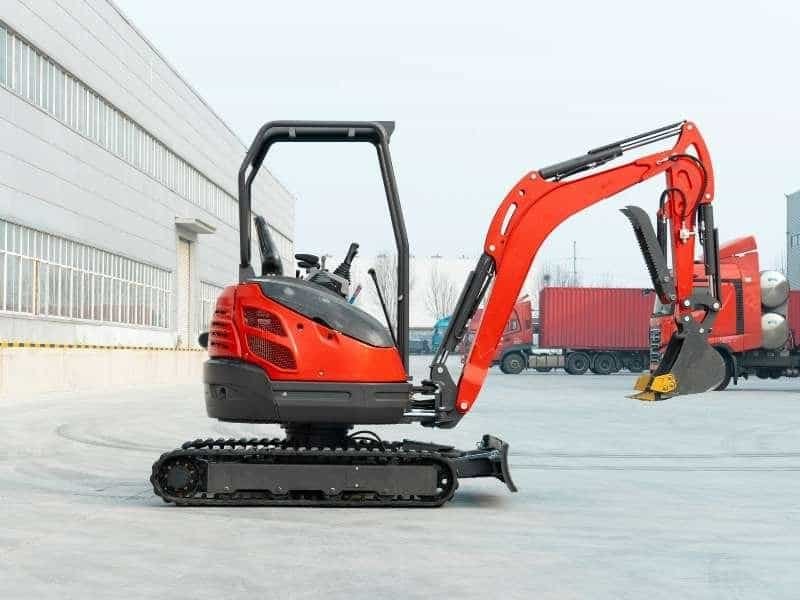
Map the Components Before Recording Wear
Start with the parts diagram for the exact machine and undercarriage version. Identify mini excavator track rollers by their fitted position and part reference rather than assuming that all compact excavators use the same roller arrangement. Some very small machines have a different upper-track support layout from larger models.
| Component | Function in the system | Useful condition record |
|---|---|---|
| Track belt or shoes | Ground contact and engagement with running gear | Cuts, missing material, exposed reinforcement or damaged hardware |
| Lower rollers | Support the machine through the running track | Visible damage, leakage, uneven contact or abnormal wear |
| Upper support, where fitted | Supports the returning track run | Correct fitted arrangement and visible condition |
| Idler and adjuster | Guide the track and provide the specified adjustment arrangement | Alignment, visible damage and leakage |
| Drive sprocket | Transfers drive into the track | Tooth condition, damage and attachment hardware |
| Frame and guards | Locate and protect components | Cracks, deformation, missing parts or trapped material |
Bobcat's undercarriage guidance calls for inspection of rollers, idlers, sprockets, drive components, track tension and associated hardware, including signs of leakage and uneven wear. The exact service method and limits still come from the machine's manual.
Inspect only with the machine prepared and isolated as prescribed. A visual record is not permission to work beneath a machine supported by its hydraulics. Track removal, raised-machine measurements and adjuster work need the approved support and pressure-control arrangements.
Use a Left/Right Record Instead of a Percentage Guess
Statements such as “the undercarriage is 80% good” are difficult to assess without measurement references. Record component-specific observations and, where required, measurements taken using the manufacturer's procedure. Include the date and hour-meter reading so that later checks can be compared.
| Position or item | Left side | Right side | Follow-up field |
|---|---|---|---|
| Track identification | Actual belt/chain markings | Actual belt/chain markings | Confirm both supplied versions |
| Track condition | Photograph reference and defect location | Photograph reference and defect location | Inspection or replacement decision |
| Rollers and idler | Numbered component observations | Numbered component observations | Compare with specified limits |
| Sprocket | Tooth and hardware observations | Tooth and hardware observations | Check compatibility with proposed track |
| Tension | Result and exact measurement method | Result and exact measurement method | Apply the correct adjustment procedure |
Number the rollers consistently from the same end of the undercarriage. A report saying “second lower roller, left side, counted from the idler” is more useful than “one wheel underneath.” Photograph the whole side first, then the specific component. Keep file names tied to that location.
For measurement-based wear assessments, record the reference dimensions and the applicable new/limit values from the supplier. Do not invent a replacement threshold from a different model. If no wear specification is available, a qualified inspection is needed before a percentage-life claim can be made.
Bobcat's compact-excavator uptime article distinguishes regular attention to idlers, rollers and sprockets from inspection of the rubber track itself. That distinction helps explain why a new belt does not certify the rest of the undercarriage.
Use the separate track-tension guide for measurement-method questions. Its example clearances must not be copied into an unrelated undercarriage inspection.
Plan Cleaning, Repairs and Parts as One Job
Record the material that builds up around the running gear and follow the approved cleaning instructions. The undercarriage cleaning guide explains work-area preparation, trapped material and the findings to record afterward. Packed mud can hide leakage, damaged hardware and component contact. Clean enough for inspection without reaching into a mechanism that can move or using a method that damages seals or other parts.
When requesting parts, give the machine serial number, the actual fitted track identity and the specific component location. Include the component drawing or part number where available. A quoted lower roller, carrier roller, idler and complete track frame are different supply scopes.
Before fitting a replacement track, have the associated components assessed. The required work may be an individual part, several related items or another corrective action; do not assume either that every part must be changed or that all visible wear can be ignored. Ask the service provider to explain the compatibility and wear findings behind the recommendation.
Consider an assumed purchase comparison: one offer includes two belts only; another includes belts plus identified rollers and sprockets. A total-price comparison is meaningless until the component quantities, part identities, installation work and acceptance checks are aligned. This is a scope example, not a recommendation to replace a fixed kit on every machine.
For a used excavator, retain dated underside photographs and service records with the inspection. For a new Qisheng order, request the track identification, undercarriage parts diagram and service requirements with the handover documents. These records make later ordering more accurate than relying on a nominal tonnage label.
Frequently Asked Questions
Should I grease every roller on a mini excavator?
Only service the points specified for the fitted components. A sealed component and a designated grease point can require different treatment. Use the actual lubrication diagram.
Can tightening the track fix uneven running?
Not necessarily. Alignment, wear, damage or another fault may be involved. Use the specified tension measurement and investigate the cause rather than repeatedly tightening it.
Does a new rubber track mean the undercarriage is rebuilt?
No. It identifies one replaced item. The condition and work performed on the remaining components must be documented separately.
Related Guides and Model Information
For belt identity, read the rubber-track buying guide. For the drive assembly, use the final-drive identification guide.
Request a factory-direct quote: Compare Qisheng mini excavators and ask for the supplied undercarriage and support documentation. Include your usual ground conditions and ownership requirements.