How To Dig Up Stumps With Mini Excavator
Qisheng Machinery · Updated October 19, 2026
Quick Answer
Digging up a stump with a mini excavator requires a site-specific removal method, not a machine recommendation based only on the visible trunk. Record access, buried services, root spread, surrounding structures and how the material will be handled. Distinguish excavating around roots, separating roots and moving a released root ball.
This guide helps define the work and handover. It does not supply a universal bucket movement, breakout force or maximum stump diameter for QS machines. The stump-removal feasibility guide covers whether excavation is an appropriate option in the first place.
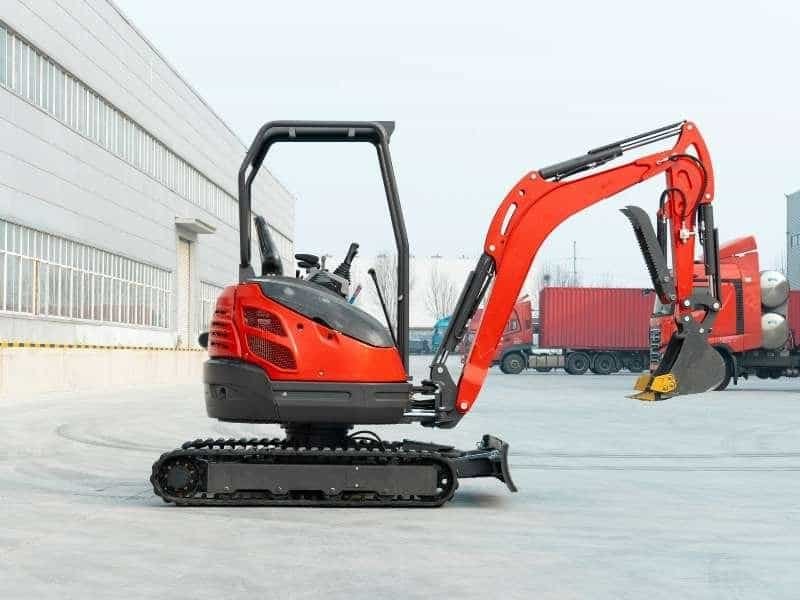
Survey What Must Be Removed
| Site information | What to record | Decision it supports |
|---|---|---|
| Stump and root system | Visible dimensions, species if known and observable roots | Investigation and method selection |
| Underground services | Applicable location information and site procedures | Whether and how excavation can proceed |
| Nearby assets | Buildings, walls, paving, fences and retained trees | Working area and damage-prevention arrangements |
| Access and ground | Route dimensions, support conditions and machine positions | Suitable carrier and movement plan |
| End use | Required removal depth and future surface | Excavation, grinding or another defined method |
| Waste route | Loading point, transport and receiving destination | Handling and disposal scope |
The UK's HSE underground-service guidance addresses planning, locating services and excavation practices. Use the requirements for the actual site and jurisdiction. A photograph of the stump does not establish that the area is clear of services.
Root and soil mass cannot be obtained by multiplying the visible stump's weight by a fixed factor. Nor does the trunk diameter alone identify the force required to release roots. Obtain the assessment needed for the selected method rather than inventing a predictable stump-to-machine size ratio.
Separate the Work Stages in the Method
The contractor's plan should distinguish access and setup, controlled exposure, root separation, handling of released material and restoration. Agree who performs each stage, what equipment is required and what findings would cause a change of method.
Resistance from roots still anchored in the ground is not a freely suspended load. A lifting-chart number cannot be used as a blanket allowance for pulling or tearing. Once material is released, its subsequent handling still needs the applicable equipment, load information and planned arrangement.
Mini excavator digging and suspended lifting therefore need different checks. A bucket or thumb is not automatically an approved lifting connection. Use the lifting-information guide for the chart inputs, without treating it as a stump-extraction rating.
If the investigation reveals a different root system, unsuitable ground or restricted clearance, reassess the method before continuing. Selecting a larger machine without resolving those conditions is not a complete solution.
Agree the Finished Site, Not Just the Removed Stump
Define whether the work includes hauling away root material, replacing excavated material and preparing the surface for its intended use. Grinding and excavating a root ball can leave different conditions; neither should be described as equivalent without an agreed finish.
For a hypothetical rectangular reinstatement space, 1.2 m × 1.2 m × 0.5 m equals 0.72 m³. This geometry example is not the volume or mass of a real root ball. Actual fill quantity also depends on the finished shape, retained material and specified placement and compaction method.
Select mini excavator buckets and other tools against the confirmed carrier and task. The bucket guide explains why width alone does not establish capacity, mounting or permitted loading.
Stump-Removal Questions
Can a Small Mini Excavator Remove Every Small-Looking Stump?
No conclusion follows from appearance alone. Roots, ground, access, surrounding assets and the chosen removal method must be assessed. There is no verified QS stump-diameter rating supplied here.
Should the Stump Be Ground Instead?
Compare the required finished depth, remaining roots, access and waste handling with the capabilities and requirements of the proposed grinding equipment. Do not assume a powered grinder fits a carrier without confirming its interface and hydraulic needs.
How Long Will Removal Take?
Obtain a site-specific estimate with the investigation and restoration scope stated. Mini excavator uses and nominal size do not establish a reliable minutes-per-stump figure.
Related Guides and Model Information
For a wider project, use the land-clearing selection guide. A new mini excavator enquiry should describe the material, access, intended method and disposal route before a configuration is proposed.