What Size Mini Excavator For Land Clearing
Qisheng Machinery · Updated October 19, 2026
Quick Answer
Choose a mini excavator size for land clearing by separating the work into cutting, excavation, handling and site finishing. Record the actual material, access and disposal route before choosing a carrier and attachments. A nominal tonne class does not establish a permitted stump diameter, log mass or brush-cutting performance.
A small accessible site can still contain work beyond a compact machine's documented capability. Conversely, choosing more size does not resolve poor ground, insufficient working space or an unsuitable tool.
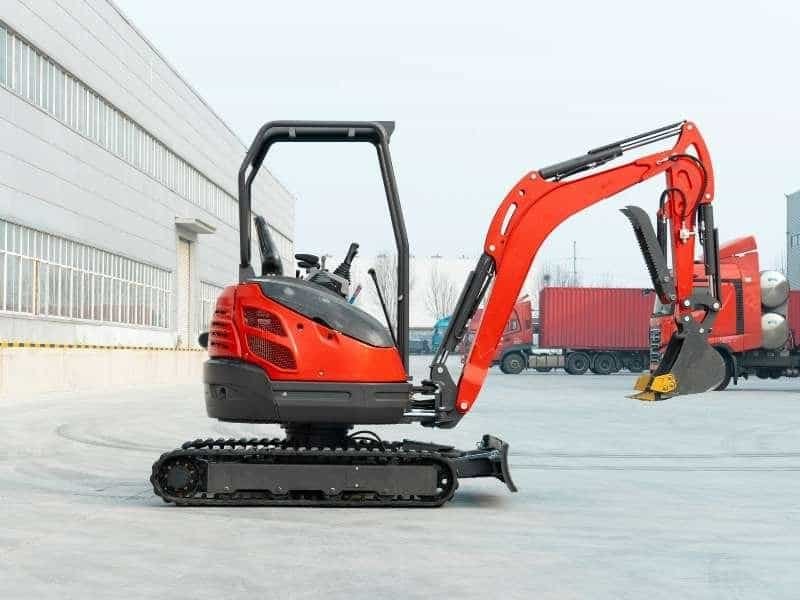
Define Each Clearing Task
| Work stage | Information to record | Equipment question |
|---|---|---|
| Vegetation cutting | Material type, size, density and required finish | Is the proposed cutting head suitable for that material? |
| Stumps and roots | Root investigation, nearby assets and removal objective | Excavation, grinding or another assessed method? |
| Loose material handling | Identified load, picking arrangement and receiving point | Is the complete carrier/tool arrangement appropriate? |
| Loading and disposal | Material destination, access and transport plan | What other equipment and responsibilities are needed? |
| Ground restoration | Required profile, fill and finish | How will levels, placement and compaction be checked? |
Do not treat standing-tree work as routine bucket clearing. It needs an appropriate method and competent assessment. The same is true of ground support, utilities and movement near people; a machine-size recommendation alone cannot resolve them.
Screen the Access With Real Dimensions
Qisheng's October 9, 2026 catalogue provides the following configuration references. They are useful for an initial dimensional shortlist, not a land-clearing performance table.
| QS catalogue series | Listed machine width | Listed maximum digging depth |
|---|---|---|
| QS-12 | 940 mm | 1,760 mm |
| QS-18 | 1,160 mm | 2,100 mm |
| QS-25 | 1,300 mm | 2,600 mm |
The widths are not guaranteed retracted minima, and the depths do not establish capacity to pull roots or lift timber. Check the complete approach, working area and actual supplied configuration. An opening wide enough for straight travel can still leave insufficient room to position the machine and handle material.
An excavator size guide can help organise the comparison. Confirm verified transport mass separately; the QS class names are not scale measurements. Soft or sloping ground should not automatically trigger a smaller-machine or loose-mat recommendation without an appropriate assessment.
Match the Tool and Disposal Method
Mini excavator attachments need mechanical fit and suitability for the material. Powered tools also need their own documented hydraulic and control requirements. Engine power or nominal carrier class alone cannot confirm a brush cutter, grinder or grapple match.
For cutting stems rather than collecting debris, check the tree shear selection guide for material and carrier requirements.
The brush-cutter guide separates disc and flail questions. The grapple guide covers jaws, rotation and the load arrangement. For root work, use the stump project guide rather than assigning a universal size from a table.
Plan where material goes before choosing the package. Cutting in place, collecting debris and loading for removal can require different equipment and produce different finished sites. State which stages are included in the quote and which are supplied by another contractor.
Land-Clearing Questions
Can a Mini Excavator Remove Stumps?
It depends on the actual roots, ground, access, equipment and method. See the stump feasibility guide. There is no documented QS stump-diameter guarantee on this page.
What Size Mini Excavator Should I Ask About First?
Send the material survey, access dimensions, intended work stages and disposal route. Use the dimensions to eliminate unsuitable configurations, then assess the remaining task and tool requirements. Do not choose solely from the nominal tonne label.
Does Clearing Also Include Levelling the Ground?
Only if the agreed scope says so. Mini excavator uses can include material shaping, but finished levels and compaction are separate requirements. Define them before comparing offers.
Related Guides and Model Information
Browse the product collection after defining the task. A new mini excavator enquiry should include the site, tools and delivery destination so the proposed configuration can be checked against the work.