Mini Excavator Brush Cutter: Disc or Flail Head?
Qisheng Machinery · October 18, 2026
Quick Answer
Choose a mini excavator brush cutter by the vegetation, cutting mechanism and hydraulic supply available at the attachment. A disc-style mower and a rotor-based flail head can have different cutting tools, guarding and working requirements. Compare the actual head, rather than treating every attachment sold as a brush cutter as interchangeable.
Describe the grass, briars or woody growth you need to cut, the obstacles and the intended finish. Then obtain the cutter manufacturer's requirements for the proposed carrier, including operator protection. A cutting-width figure alone leaves those decisions open.
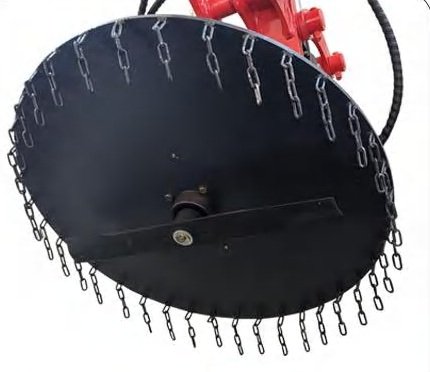
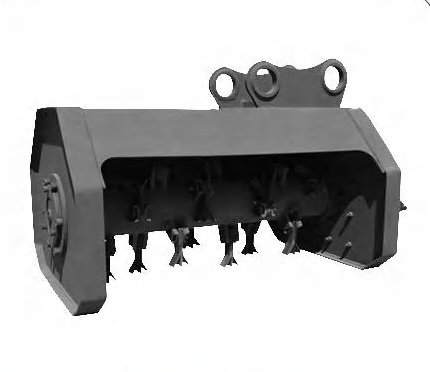
Identify the Cutting System and the Job
Qisheng's accessories catalogue shows a disc mower and a box-style mower. Ask the quotation to identify the mechanism, model and fitted cutting tools. The pictures establish available tool categories; they do not identify the rotor specification or an approved QS installation.
| Head arrangement | Details to identify | Job information to provide |
|---|---|---|
| Disc or rotary mower | Cutting blade arrangement, housing and debris protection | Vegetation, obstructions and required cutting position |
| Flail-style rotor head | Rotor, fitted knives or hammers, hood and ground-contact components | Grass or brush condition, surface irregularity and finish |
| Specialist forestry head | Exact rotor and permitted material | A defined forestry application and the complete approved machine package |
The last category needs its own evidence. A catalogue mower photograph does not establish that a QS package can process trees or perform a forestry mulcher's duty.
For recurring vegetation maintenance, photograph a representative section and record what is mixed into the growth. Wire, stones and concealed debris need a site assessment; they cannot be addressed by choosing a wider head. Keep the overall machine-size decision in the land-clearing guide.
Compare Width, Mass and Auxiliary Flow
These named products show the information to look for, rather than approved alternatives for a QS machine.
FEMAC's T1 60 REV page publishes the following metric figures:
| T1 60 REV reference field | Published value |
|---|---|
| Cutting width | 60 cm |
| Listed tool weight | 70 kg |
| Oil supply | 20–30 L/min |
| Pressure range | 170–220 bar |
The installed mass must also identify the mount and selected accessories. FEMAC lists a self-levelling support separately, so obtain the weight of the complete offered arrangement.
The current Paladin MX product table lists two 40-inch cutters with different flow requirements: BC40MX10 at 13–19 gpm and BC40MX20 at 19–26 gpm. It places both in its 3–6 metric-ton carrier class. A “mini-excavator” product name therefore does not establish suitability for the smaller QS catalogue classes.
Compare mini excavator brush cutters with units and model suffixes intact. Where a quote uses gallons, confirm the gallon basis before converting to litres. Ask for documented auxiliary flow at the tool, the permitted pressure and return conditions; total pump flow or engine power answers a different question.
Define the Complete Mowing Package
A mini excavator with a brush cutter needs more than a head and two hose connectors. Have the supplier identify the mount, supply and return services, any required drain, controls, hose movement and the manufacturer's required guards. The attachment compatibility record organizes the common interface details.
Make operator protection an explicit purchase item. Paladin's MX operator's manual requires a shatterproof demolition cab enclosure and recommends a forestry guard package because the cutter can eject debris. Use the instructions for the actual head and carrier when deciding the protection package; a standard windscreen or an enclosed-cab photograph is not proof that the requirement is met.
Ask what a representative acceptance demonstration will cover: the identified head, permitted material, approved machine setup and intended finish. Record leakage, hose interference or incomplete operation for correction. Follow the manufacturer's testing method and exclusion arrangements; an unloaded spinning-head clip cannot establish field cutting performance.
For wear parts, request the cutting-tool reference, quantity fitted and the prescribed replacement method. Check which knives, retainers, belts or other service items belong to the supplied design instead of ordering a general “brush cutter blade kit.”
Frequently Asked Questions
Is a mini ex brush cutter different from a mini excavator mower?
Supplier names overlap. Identify the cutting system and model, then compare its permitted duty and installation requirements.
Does more hydraulic flow always improve cutting?
Use the head's specified range. Extra flow outside the permitted setting is not an upgrade, and the complete circuit must satisfy the manufacturer's requirements.
Can I choose a cutter by the biggest branch in a video?
Use the manufacturer's stated material limits and conditions for the exact cutting tools. A demonstration on different vegetation cannot establish the proposed machine's capability.
Related Options and a Cutter Enquiry
Review the landscaping package page and QS options catalogue. For a carrier enquiry, compare QS-18 and QS-25 against the identified tool requirements. Send Qisheng Machinery the vegetation, working area and desired finish to discuss a documented cutter and carrier package.