Mini Excavator Hedge Trimmer: Cutter Bar and Job Fit
Qisheng Machinery · October 18, 2026
Quick Answer
A mini excavator hedge trimmer should be selected around the hedge profile, vegetation and position from which the machine can work. For a reciprocating finger-bar attachment, compare bar length, cutting sections, hydraulic requirements and the complete installed geometry. Keep the cutter's length separate from the machine's reach or permitted working position.
Send the supplier views of the top and sides to be trimmed, along with access and nearby obstacles. A neat hedge face and rough ground vegetation can require different heads even when suppliers use similar cutter names.
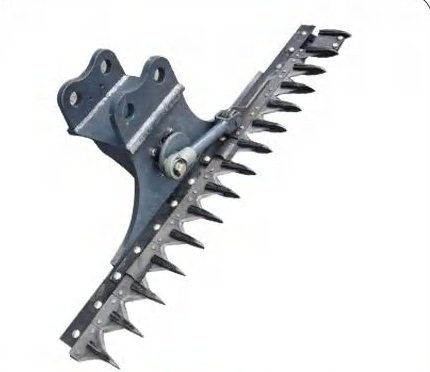
Choose a Cutting Bar for the Required Finish
Qisheng's accessories catalogue shows a finger-bar-style trimmer. Confirm the actual supplied mechanism and blade arrangement. A hedge trimmer attachment for a mini digger needs a defined cutting duty, rather than a general claim that it handles all vegetation.
| Requirement | Detail to assess | Information to give the supplier |
|---|---|---|
| Trim the face or top of a hedge | Bar length, cutting-section design and movement envelope | Required profile, vegetation and working position |
| Reach beyond a fence or other obstacle | Complete machine, mount and cutter geometry | Obstacle dimensions and an assessed machine location |
| Cut grass or mixed growth near the ground | Suitable mowing-head design | Ground condition, vegetation and concealed debris assessment |
| Process larger woody material | A tool specifically approved for that duty | Material dimensions and the maker's application limits |
A reciprocating bar and a flail-style head act on the vegetation differently. Use the brush-cutter selection guide for the mowing-head comparison. This page focuses on specifying a hedge profile and cutting-bar arrangement.
Cutting capacity should identify the exact cutter, material and stated conditions. Do not turn the size of a branch seen in a video into a general cutting limit, or transfer another manufacturer's limit to the Qisheng catalogue illustration.
Match the Hydraulic Version, Not Just the Bar Length
Slanetrac's HC150 product page lists two versions with the same bar length but different oil-flow requirements:
| Named manufacturer version | Listed bar length | Listed oil flow |
|---|---|---|
| HC-150-5 | 1.5 m | 20–30 L/min |
| HC-150-8 | 1.5 m | 40–60 L/min |
These figures describe Slanetrac products, not the QS trimmer or a confirmed carrier pairing. They show why a “1.5-metre hedge cutter” enquiry leaves the hydraulic version unresolved.
Ask the actual tool supplier for its flow range, pressure and return limits, drain requirement and permitted direction of operation. Then compare those requirements with the machine's documented auxiliary circuit. A familiar breaker-line connector does not settle the hydraulic specification.
Identify the mounting bracket, hose routing and controls as part of the quote. The bar's ability to be positioned at different angles does not by itself establish that hoses, guards and the machine have clearance in the intended position. Have the complete arrangement checked under the manufacturer's instructions.
Survey the Hedge and Specify the Handover
Record the hedge's width, intended height and profile, plus the machine's access and standing area. Mark fences, structures, traffic and overhead services in the information given to the responsible site team. They must determine a permitted work method; the attachment's advertised reach does not decide that assessment.
An offset bracket or longer cutter can alter mass distribution and clearances. Obtain the installed tool mass and relevant machine information before treating the extra length as useful working reach. A 1.5-metre cutting bar cannot simply be added to a boom's advertised reach to certify a workable position.
For a demonstration, agree a representative hedge section and the finish to inspect. Check the supplied cutter, required protection and approved setup, then assess the resulting cut and any visible issues under the manufacturer's method. A short unloaded reciprocating-blade clip confirms movement, while the actual trimming result needs separate evidence.
Ask for the cutting-section part numbers, retainers and replacement instructions. Keep the supplied configuration in the service record so replacement sections are identified by tool model rather than by an approximate tooth shape. Blade inspection, adjustment and replacement belong to the relevant isolation and maintenance procedure, not a generic online sequence.
Frequently Asked Questions
Is a finger bar hedge cutter for a mini digger the same as a flail head?
No. Identify the mechanism and intended finish. A reciprocating cutting bar and a rotor-based head have different tools and installation requirements.
Does a longer bar always reduce the number of machine positions?
The useful result depends on the hedge profile, access and approved working envelope. Longer equipment can also change clearance and load conditions.
Can I connect any hedge trimmer to the breaker lines?
Have the selected tool's hydraulic and control requirements checked against the actual circuit. Connector fit alone does not establish compatibility.
Related Packages and a Trimmer Enquiry
Review the landscaping page, farm-use page and attachment compatibility record. Compare QS-18 and QS-25 against the proposed tool and site requirements. Send Qisheng the hedge profile, access information and cutting task to discuss a specific trimmer package.