5 Ton Mini Excavator: Buying Guide for Larger Projects
Qisheng Machinery · Updated October 17, 2026
Quick Answer
A 5 ton mini excavator deserves consideration when recurring duties need a working envelope or attachment arrangement that smaller candidates cannot provide. Build the purchase around those duties, the quoted configuration and the support available for it. A class name cannot establish daily output or lifting capacity.
For a larger-project purchase, the useful question is what evidence will demonstrate that the machine can complete the planned work after delivery.
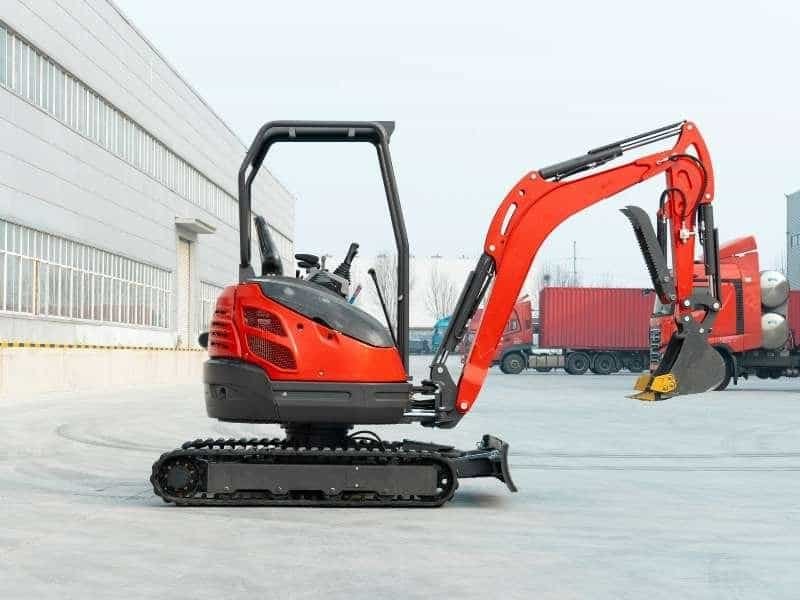
Define the Duties That Justify the Purchase
Separate ordinary excavation, powered-tool work and suspended-load handling. Identify the required result and working position for each, including any duty that may still need another machine.
| Purchase requirement | Define it for the project | Acceptance evidence |
|---|---|---|
| Excavation | Shape, depth, access and machine positions | Applicable range drawing and agreed configuration |
| Material handling | Material route and receiving location | Suitable tool and assessed work arrangement |
| Powered attachment | Named tool and intended duty | Approved carrier pairing and hydraulic specification |
| Suspended load | Load, radius, height and setup | Applicable rated chart and complete lifting arrangement |
| Repeated site moves | Destinations, route and unloading points | Actual load information and transport plan |
| Support | Parts, service and fault-reporting arrangements | Written scope, contacts and supplied documentation |
A short demonstration of digging does not verify all six requirements. Agree which conditions a demonstration represents and which records remain necessary.
Compare the Actual 5-Ton Class Configuration
For a named example, Caterpillar's 305 CR specifications list minimum canopy and maximum cab operating weights of 4,996 and 5,754 kg, under different configurations that exclude the bucket. Track width is 1,980 mm; standard- and long-stick digging depths are 3,420 and 3,670 mm.
Those entries explain why a 5 ton excavator description does not define a five-tonne transport load. Compare the exact equipment and the maker's measurement notes with the actual package being bought.
The same specification distinguishes 133 L/min main-pump flow from 80 L/min primary auxiliary flow and states that maximum flow and pressure are not combinable under load. A tool enquiry therefore needs the relevant circuit, not simply the largest flow number on the page.
These examples belong to the Cat 305 CR. They are not QS specifications, a Qisheng lifting chart or evidence that Qisheng supplies that model. The reviewed QS catalogue covers smaller models through QS-25.
Make the Attachment Package Testable
Ask the offer to name each attachment, coupling and required hydraulic arrangement. Identify which connections, controls and any additional provisions are supplied with the carrier.
Tie functional checks to that package. A breaker demonstration cannot verify an auger's requirements, and a generic “attachment ready” description leaves the actual installed equipment unclear. Keep the compatibility checklist beside the purchase specification.
For lifting, use the rated configuration and the assessed duty. Neither digging force nor successful movement of an unmeasured object establishes an allowable suspended load.
Compare Total Ownership on the Same Work Scope
Request equipment, tools, transport and commissioning as identifiable items. Then compare documented assumptions for maintenance, wear parts, servicing and the work actually scheduled.
Do not assume that the larger class will finish twice as much work or automatically improve the margin. If output is important to the decision, define a representative task and obtain evidence under comparable ground, tools and material-handling conditions.
For a new mini excavator, obtain the actual written coverage and claim procedure. A used alternative needs its own unit-specific condition report and repair agreement. The used-machine sale guide explains how inspection findings become transaction conditions.
Plan Handover and Support Before Committing
At handover, reconcile machine identity, supplied tools, agreed functions and remaining issues with the order. Keep the relevant operating and maintenance documents with the machine.
Ask how replacement parts will be identified and which information the support contact needs: machine serial identification, component details, a fault description and appropriate photographs. Resolve support scope in writing rather than assuming every seller offers the same service.
Check the transport plan for the final package. Project access, unloading and the material route remain necessary even if the machine's working range is suitable.
Frequently Asked Questions
Is a 5-ton class still a mini excavator?
Manufacturers use the term for compact ranges that include this class. Compare the identified model and configuration rather than treating the word “mini” as a fixed size limit.
Can the machine run any attachment sold for five-tonne carriers?
No. Check the approved pairing, tool requirements, interface and actual carrier specification.
Does Qisheng list a five-tonne model?
The available QS catalogue runs through QS-25. The Cat example explains purchase requirements for a larger carrier; it is a separate manufacturer's reference.
Related Project Guides
Use the construction task guide and browse the documented mini excavator models.
Check Whether the QS Range Meets the Brief
Send Qisheng Machinery the recurring duties, required tools and destination. Ask for a documented QS comparison where relevant, with any requirement outside the available range identified clearly.