Mini Excavator Ripper: Tooth, Shank and Ground Fit
Qisheng Machinery · October 18, 2026
Quick Answer
A mini excavator ripper concentrates the machine's action through a narrow tooth to prepare material for removal. Consider it when the ground preparation task suits an approved ripping tool and a bucket alone is unsuitable for that stage. The loosened material still needs to be collected, moved or finished afterwards.
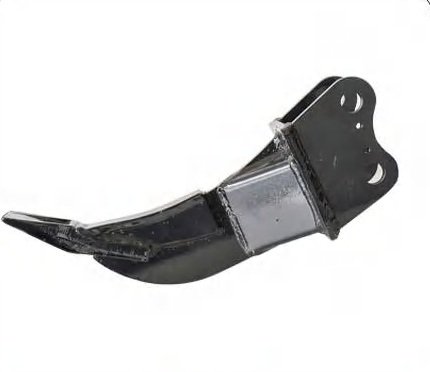
Choose the tooth, shank and carrier arrangement against the actual material. A photograph of a pointed attachment cannot establish how much rock, frost or root resistance a small excavator can overcome.
Separate Ripping from Excavation and Impact Breaking
Werk-Brau's ripper description identifies pre-ripping as its intended role and describes single-tooth and alternative designs. Bobcat's ripper guidance also distinguishes compact-excavator rippers from loader scarifiers. The carrier and tool design matter even when suppliers use similar ground-preparation terms.
| Requirement | Tool or method to investigate | Information that changes the choice |
|---|---|---|
| Loosen suitable resistant ground before collection | Approved ripper arrangement | Material, tooth form, shank geometry and carrier limits |
| Excavate and carry loosened material | Suitable digging bucket | Cut dimensions, bucket arrangement and disposal route |
| Apply repeated impacts to suitable material | Approved hydraulic breaker | Tool duty and the required hydraulic installation |
| Remove an established root system | A planned excavation or specialist method | Root arrangement, surroundings, services and machine capability |
A mini excavator root ripper enquiry should describe whether the task involves loose roots in disturbed soil or an established stump. Those are different loads. Keep the stump-removal decision in the stump assessment guide rather than treating a ripper as a guaranteed solution.
Read the Tooth and Shank Drawing
Ask for the exact mini excavator ripper attachment model, its empty mass and its drawing. The useful dimensions describe how the tooth reaches the material and how the assembly connects to the carrier.
| Detail to record | Why it matters to the purchase |
|---|---|
| Tooth profile and replaceable tip reference | Determines the wear item and its intended duty |
| Working reach and curved shank profile | Shows where the tip sits through the approved movement |
| Shank section and supporting structure | Identifies the particular design being supplied |
| Pin or coupler interface | Allows the installer to check the actual carrier connection |
| Permitted duty and restrictions | Establishes which forces and applications the maker has allowed |
Two tools with the same overall length can have different tip positions, curvature and connections. Compare the drawing rather than ordering from an overall-length figure alone.
For a replaceable tooth, obtain the tip and retainer part numbers, a parts illustration and the prescribed replacement method. Ask which items are available separately. A low tool price is less useful if the worn tip cannot be identified or replaced through a clear parts process.
Qisheng's v9 catalogue shows a curved ripper as an optional accessory. The reviewed page does not establish its working length, rated forces, tooth system or approved carrier combinations. Those details belong in the specific quotation; another manufacturer's figures cannot fill them in.
Plan the Prepared Material and the Follow-On Work
Describe the ground's condition, the area to prepare and the result needed. Photographs can help identify questions, while the responsible site's assessment determines whether ripping is an appropriate method. For frozen material, use the separate frozen-ground guide to frame that assessment.
Ask the supplier to address the proposed working direction and limits for the exact tool. The shank, mount and machine need a consistent approved duty. Side loading, impact use or improvised leverage should not be inferred from the tooth's appearance.
Include the next stage in the equipment plan. A ripper opens or loosens material; a bucket, handling machine or disposal arrangement may still be needed. If the order includes a quick coupler, check the ripper and collection bucket against the same system so the planned sequence can actually be carried out.
For a demonstration, agree the representative material, intended result and inspection scope beforehand. Record what was prepared and what remained for the bucket. A short clip of a tooth entering loose soil is not a test of every hard-ground application.
Frequently Asked Questions
Does a fixed ripper need an extra hydraulic circuit?
A fixed shank is moved by the excavator's existing working equipment. Confirm the actual design: a powered or combined tool has different requirements.
Will a longer shank always work better?
No. Tip position, loads and the carrier's approved arrangement change with the geometry. Obtain the maker's permitted configuration.
Can I use a loader scarifier instead?
Only if the complete tool and carrier arrangement is specifically approved. A similar ground-preparation purpose does not establish a common mount or operating method.
Related Tools and a Ripper Quote
Review the tool compatibility record, QS-18, QS-25 and Qisheng catalogue. To discuss a ripper for a mini excavator, send Qisheng the material, preparation task and carrier details, including the existing coupler if one is fitted.