Mini Excavator Final Drive: Identify, Service and Order
Qisheng Machinery · Buyer Guide · Prepared October 27, 2026
Quick Answer
A mini excavator final drive provides drive to a track through its fitted motor and reduction arrangement. Before requesting a replacement, identify the machine, the installed drive and its connections. “Fits a 1.8-ton excavator” is not a complete compatibility statement.
Keep maintenance and fault diagnosis separate. A travel symptom may involve the drive, hydraulic supply, controls, brake or another undercarriage component. Record what happens and arrange the appropriate diagnosis before buying a complete assembly.
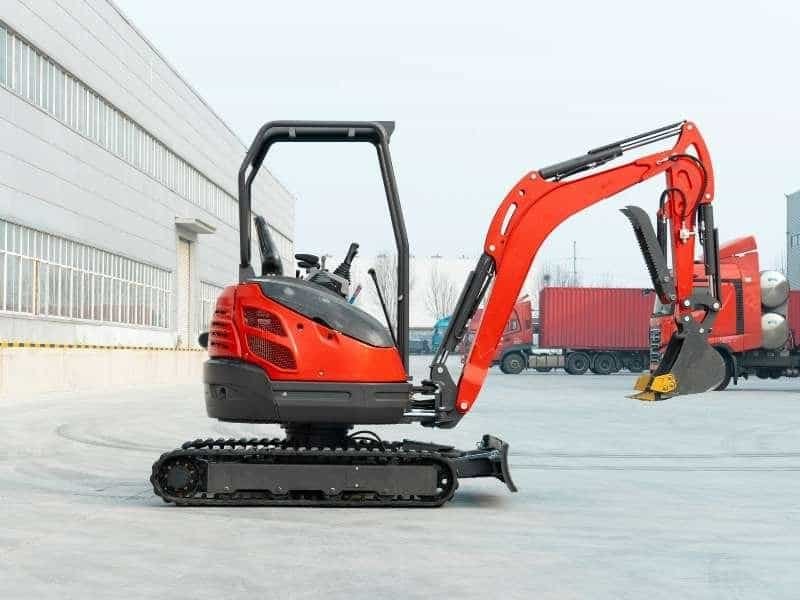
Identify the Assembly Before Removing or Ordering It
The term final drive is sometimes used for a complete motor-and-gearbox unit and sometimes for only part of that assembly. Establish what the supplier is quoting. A planetary gearbox, a hydraulic motor and a complete track drive are not automatically equivalent purchases. Confirm the final drive assembly scope on the offer.
| Identification field | Evidence to provide | Why it matters |
|---|---|---|
| Excavator identity | Make, model and serial number | Narrows the original configuration |
| Installed drive identity | Readable manufacturer plate, part number and revision | Identifies the unit actually fitted |
| Supply scope | Motor, gearbox or complete assembly | Prevents comparing different products |
| Mounting arrangement | Approved drawing or measured interface by a qualified person | Confirms frame and sprocket fit |
| Hydraulic connections | Port identities and the applicable circuit drawing | Avoids assuming hose positions identify functions |
| Travel features | Supported speed modes and brake/control arrangement | Checks functional compatibility |
Photograph the component before any approved removal, including its plate and the surrounding mounting area. Previous repairs may mean that the machine model alone no longer identifies the installed unit. If the plate is unreadable, tell the supplier rather than guessing from the shape of the cover.
Keep left/right position clear in the record. A photograph taken from behind the machine may be interpreted differently from the operator's seated viewpoint. Use a consistent reference and include a wider machine view with the component close-up.
Do not disconnect hoses to discover which port does what. The circuit must be isolated and serviced under the applicable instructions, with qualified personnel controlling stored pressure and supporting the machine as required.
Separate Gear Lubrication from the Hydraulic Circuit
Where a drive has a separate gear-lubrication compartment, its lubricant and checking procedure are distinct from the machine's hydraulic tank. Obtain the actual drive instructions for oil specification, quantity, plug orientation and service interval. A hydraulic reservoir top-up does not establish that the reduction gearbox has the correct lubricant level.
One published maintenance example is the Bobcat E32–E55 T4-B service schedule, document 0118. It places final-drive fluid-level checks at 250 hours or 12 months and replacement at 1,000 hours or 12 months. These are the named schedule's entries, not universal QS intervals.
| Service record | What to enter from the applicable manual |
|---|---|
| Component and compartment | Exact drive and service point |
| Lubricant | Full approved specification and product identity |
| Due point | Operating-hour and calendar requirements |
| Checking arrangement | Required machine position and service preparation |
| Result | Level observation, amount used and any contamination concern |
| Follow-up | Technician assessment and next due point |
An unexplained change in fluid quantity or condition needs investigation. Do not solve repeated loss by making top-ups the normal routine. Do not apply a generic internet gear-oil grade to an unidentified unit. The right product and procedure depend on the installed drive.
For the separate hydraulic reservoir question, use the hydraulic-fluid checking guide. It does not replace the drive's own lubrication instructions.
Describe a Travel Fault Without Diagnosing It by Guesswork
A useful report states whether the problem affects one track or both, whether it happens in both travel modes, and whether it changes with temperature or load. Include the hour reading, recent service and any warning message. Report observations already made; do not keep operating a defective machine to create a demonstration video.
| Observed symptom | Useful additional context | Conclusion to avoid |
|---|---|---|
| One track responds differently | Which side, mode and onset of the change | The whole final drive must be replaced |
| Both tracks are slow | Controls selected, warnings and other hydraulic symptoms | Two gearboxes failed simultaneously |
| New noise or visible leakage | Location observed safely and when first noticed | Continued operation is acceptable until parts arrive |
| Fault after a repair | Components changed and service records | A visually similar replacement is suitable |
Inspection of the surrounding undercarriage matters too. Packed material, damaged sprockets or another mechanical defect can change the evidence. Use the undercarriage inspection guide to organize those observations without confusing them with a pressure test or internal diagnosis.
When a technician recommends replacement, request a written compatibility check and the return-to-service requirements. Confirm whether the old unit is required for inspection, whether flushing or other corrective work is specified, and what is included in the replacement assembly. Installing a new drive without addressing a confirmed upstream cause can leave the original problem unresolved.
Qisheng owners should send the machine serial number and drive identification with a support request. Qisheng's one-year warranty and eligible replacement-part air-freight arrangements do not make every travel complaint an automatic complete-drive claim; the fault and approved remedy must be established.
Frequently Asked Questions
Are mini excavator final drives universal?
No. Mechanical fit, hydraulic connections, control features and the complete assembly identity must match. Nominal machine class is only a starting description.
How should I choose mini excavator final drive oil?
Use the specified lubricant for the actual compartment. A separate reduction gearbox may have its own oil requirement. Do not assume the compartments share a fill.
Does slow travel prove that the motor is worn out?
No. It is a symptom requiring diagnosis. Record the conditions and have the relevant mechanical, hydraulic and control checks performed.
Related Guides and Model Information
Read the travel-speed guide for specification comparisons and the parts and maintenance guide for ownership records.
Request a factory-direct quote: For a new Qisheng excavator, ask for the supplied travel-system identification and maintenance documentation. Contact Qisheng Machinery with your model requirements and destination.